Blog

  • Best Green Tea Brands – And Their Benefits!

    Best Green Tea Brands – And Their Benefits!

    Green tea originated from India and China and has now become very popular all over the world for many reasons!

    Best Green Tea Brands

    But before I go into the best green tea brands, let me explain reasons behind why you should drink more green tea. The benefits might surprise you! Only after you fully understand the reason why we all love green tea, will we provide the best green tea brands.

    Or for those on a time crunch, scroll down to the last section!

    Organization of this article:

    • What is green tea?
    • 5 Health Benefits of Green Tea
    • FAQ’s
      • How does green tea aid in weight loss?
      • How does EGCG and caffeine boost my metabolism?
      • Can green tea reduce blood sugar and insulin levels?
      • Does green tea really lower triglyceride and cholesterol?
      • So you’re saying green tea suppresses appetite and cravings?
      • What do the best green tea brands contain?
    • 5 of the Best Green Tea Brands

    What is green tea?

    Green tea is derived from the leaves of a plant named Camellia Sinesis and from this plant there are a few common varieties: Hojicha, Sencha, Kabusecha, Gyokuro, Match, and Genmaicha (to name a few).
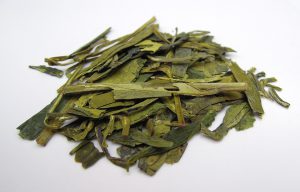
    green tea leaf

    The lightly brewed beverage contains the highest levels of antioxidants and polyphenois, which are substances that reduce the formation of free radicals in the body and protect cells and molecules from damage. One of the most effective compounds present in green tea is the antioxidant name Epigallocatchin Gallate (or EGCG for short) that is known to help treat various diseases.

    The reason green tea comes with more health benefits than black tea (another popular type of tea-leaf) is primarily due to the processing differences.

    Black tea is usually processed in a way that allows for fermentation, whereas, green tea is processed without fermentation and thus keeps the highest levels of antioxidants. Pretty cool, huh?

    5 Health Benefits of Green Tea

    While weight loss remains one of the most widely known health benefits of green tea, there are many other advantages which often go unnoticed.

    The Chinese culture has utilized these remarkable medicinal properties for centuries! And for good reason too – even today you can find green tea used for health in a variety of ways.

    Five of the most important health benefits of green tea:

    • Weight Loss
      • Using different forms of green tea remains one of the most natural ways to lose weight. Apart from naturally boosting your metabolism, you get an instant energy boost from green tea (however, you must purchase a good brand of green tea for effective weight loss)
    • Increased Longevity
      • Research has proved that people who drink organic green tea regularly live longer than those who don’t. Moreover, their overall health is generally maintained for much longer too.
    • Anti-Cancer Effects
      • Though we cannot say for sure if it can “cure” cancer, there is evidence of its ability to suppress cancerous growth. Prevention is always the first step toward avoiding cancer and this tea is one of the best prevention methods out there due to the blocked production of cancer-causing enzymes.
    • Good for the Heart and the Brain
      • Those who drink green tea on a regular basis are less likely to suffer from heart-related diseases. It prevents heart attack and stroke. It also softens the walls of arteries, which works wonders for preventing heart disease. With increased blood flow, the brain can work more effectively too (not to mention the natural caffeine present in green tea!).
    • Anti-Inflammatory Properties
      • If you drink green tea regularly, you do not suffer from rheumatoid inflammations. Similarly, it helps in preventing many other inflammatory diseases.
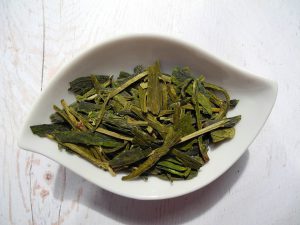
    Green Tea Leaves

    Frequently Asked Questions

    Now, I’m sure you have many questions regarding the benefits listed above. But don’t worry, let me go into more detail for those who are interested. Here are the frequently asked questions when it comes to green tea benefits.

    How does green tea aid in weight loss?

    The use of green tea is currently on the increase, partly due to the new research studies that provide convincing evidence about its antioxidant characteristics, general health benefits, and its weight loss effects. While weight loss teas may be growing in popularity today, it is still most important to buy effective and organic green tea brands.

    How does EGCG and caffeine boost my metabolism?

    WARNING – Science-talk coming your way! (Trust me though, it’s very interesting).

    Several research studies aimed at the benefits of green tea, have demonstrated that green tea can speed up the body’s metabolic rate by up to 4%. This seemingly insignificant boost in metabolism can help to burn stored body fats with little or no effort (besides drinking 2 to 4 cups of green tea a day).

    Green tea’s metabolism boosting effect is achieved by the inhibiting action caused by EGCG (or epigallocatechin gallate). This activity undergone by EGCG breaks down the neurotransmitter known as norepinephrine (NE) making it last longer. NE is considered to be a sympathetic nervous system stimulant which increases many of the body’s processes such as thermogenesis, which is the body’s ability to generate heat.
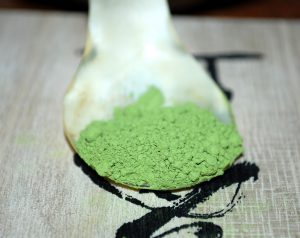
    Matcha Tea

    Initially, this effect was attributed to the caffeine content (which is about 25mg for a 6-ounce cup). However, a 1999 study published in the American Journal of Clinical Nutrition revealed that the use of green tea extracts did not only promote thermogenesis, but also arouses the nervous system without increased heart rate (unlike caffeine, which speeds up the heart rate and nervous system when ingested alone).

    This normalized heart rate is not only a positive side effect of ECGC, but also of the naturally occurring amino acid in green tea known as L-theanine. The L-theanine is secreted from the small intestine in the bloodstream where it is transported into the brain, which produces an improved state of relaxation and alertness. This process effectively cancels out the harmful effect of caffeine!

    So the combination of caffeine and L-theanine is green tea has been suggested by researchers that it helps to improve alertness, reaction time, and memory while also combating the effects of stress!

    Can green tea reduce blood sugar and insulin levels?

    Yes! Green tea is known to be effective in reducing blood sugar levels, which consequently reduces the secretion of insulin. Research studies also indicate that green teas increase insulin sensitivity by more than 15%!

    The lowering of insulin secretion through the reduction of blood sugar level sis mostly regarded as the major reason why green tea has significant weight loss effects too. The more green tea you drink, the lower your insulin levels and the more sensitive these levels become. This combined effect increases not only your body’s ability to convert sugars into energy, but also its fat burning potential.

    DISCLAIMER: Please talk to your doctor or a healthcare professional if you intend on taking green tea as a diabetic or for insulin level reduction. Thanks for your understanding!
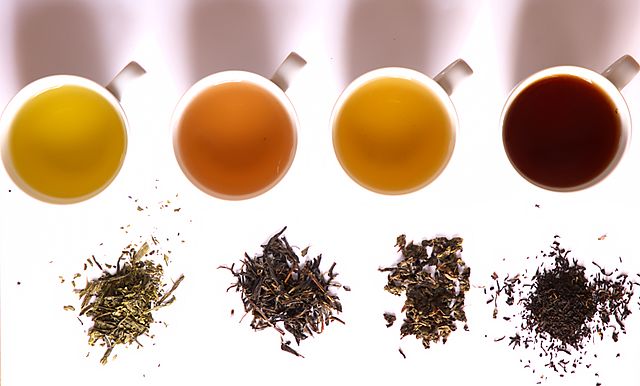
    Tea in Fermentation

    Does green tea really lower triglyceride and cholesterol?

    Why yes, yes it does! Green tea reduces blood fats such as triglycerides and cholesterol, which in turn helps to stop blood clots from forming in the arteries or veins.

    EGCG (or epigallocatechin gallate) helps to reduce LDL cholesterol (the bad kind) while increasing HDL cholesterol (the good kind). EGCG essentially clears the blood of triglyceries before they are deposited into adipose tissues (or fat cells).

    This process is important to note because triglycerides are transported in the bloodstream in the form of very low-density lipoprotein (VLDL), which is eventually converted into LDL cholesterol (again, the bad kind). Therefore, the fewer the amounts of triglycerides in the bloodstream, the lower the level of LDL cholesterol (for the last time, it’s the bad kind! Just kidding, I know you remember LDL is bad by this point).

    So you’re saying green tea suppresses appetite and cravings?
    Yes, it has been proven to help suppress appetite and eliminate cravings (such as for sweet snacks). This can partly be attributed to its ability to lower blood sugar levels.

    High blood sugar levels make you feel hungry and this increases the tendency to eat more food, more frequently. By reducing your blood sugar levels, green tea effectively helps to suppress your appetite.

    It, therefore, becomes apparent why the use of green tea as a weight loss supplement is increasing today. While green tea in and of itself can result in weight loss, for quicker and permanent weight loss effect, it is advisable to sue it as a supplement to a healthy diet and regular exercise program.

    DISCLAIMER: Please talk to a specialist when using green tea as a weight loss supplement. It is good to do personal research, but it is BEST to consult a professional who can analyze your body’s specific needs and limitations. Thank you for your understanding!

    What do the best green tea brands contain?

    In general, tea contains many health-promoting properties, but the best brands seem to contain a healthy amount of polyphenols (such as flavanols and flavonols) and catechins (such as EGCG).

    Other benefits from some of the best green tea brands have been attributed to helping prevent or improve the symptoms of cardiovascular conditions, arthritis, cancer, and high cholesterol.

    The Best Green Tea Brands

    For you to gain the maximum benefits of green tea, you need to go for the best brands! (Duh.)

    Our research has helped to compile the following list of 5 of the best green tea brands. The process of building this list involves multiple approaches and comparing various factors such as the way the tea is grown, where it is grown, the stage at which the leaves are picked, the way the tea is processed, and how it is packed.

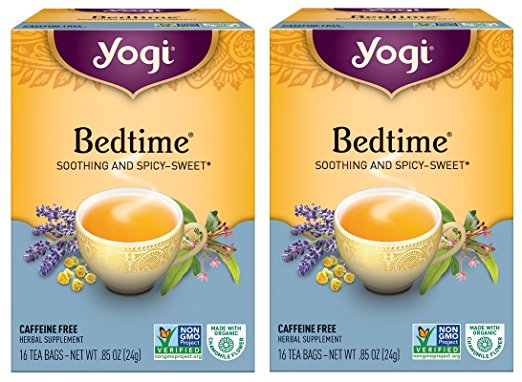
    Yogi Green Tea

    Yogi Blueberry Slim Life Green Tea

    Our studies have led us to choose Yogi as the best green tea brand! It has an impeccable history dating back more than four decades. The green tea brand, Yogi Blueberry Slim life, is a blend of organic green tea, together with Garcinia cambogia fruit extract, eleuthero, and ginseng extracts. This combination invigorates your body’s metabolism so that you can lead an active lifestyle even if you are on a weight loss diet. Yogi brand green tea comes in many flavors including organic hibiscus. The tea blends are prepared using Ayurvedic health practices as well.

    Click here to view on Amazon!

    Pros:

    • Formulated to provide the energy necessary for an active lifestyle (even when on a diet)
    • This green tea contains Garcinia cambogia fruit extract in addition to eleuthero and ginseng extracts to support stamina
    • Additional flavors including organic hibiscus
    • Back by Yogi’s well-known brand and 4 decades of unparalleled tea production
    • Made according to Ayuredic health practices
    • Incorporates a blend of health-promoting spices and herbs
    • Organic green tea rich in antioxidants and anti-bloating properties
    • Pleasant flavor!

    Cons:

    • If you like strong flavored tea, you might think this is a bit weak
    • Some people don’t like the taste (some compare it to cigarette smoke, which is strange)
    • May leave you with a mild after-taste

    Stash Green Tea

    Stash Tea Premium Green Tea

    Stash Premium Green Tea is packed most correctly to maintain freshness for a long time. By wrapping the individual bags in protective foil, you are sure to enjoy the same fresh, sweet and nutty flavor from your 100th cup as you did in your first. Stash green tea is processed using age-old Japanese methods, which means that the tea retains its excellent flavor, color, and fragrance. The resultant green tea brews into a traditional gold-green beverage. This is a choice green tea if you enjoy traditional types of tea.

    Click here to view on Amazon!

    And because this tea comes in a minimalist package meant to last, you can buy in bulk and store for later use. This way, you will have a constant supply of your favorite green tea!

    Pros:

    • Foil wrapped individual teabags to maintain freshness
    • Disctinct sweet, nutty flavor
    • Customized packaging
    • Great when hot OR cold
    • 100 foil wrapped tea bags guaranteed to preserve freshness (buy in bulk!)
    • Distinctive aroma
    • Grown in Brazilian tea gardnes
    • Steam processed in traditional Japanese style for great flavor, color, and fragrance
    • Vibrant green brews into a bright golden-green beverage

    Cons:

    • May have an “off” flavor
    • Some packaging defects, specifically strings falling off tea bags

    Kenko Green Tea

    KENKO Matcha Green Tea Powder

    If you want a strong oxidant green tea from one of the best brands, Kenko Matcha Green Tea may be your best choice. The antioxidant-packed tea relaxes your body and mind, while improving both in efficiency. Besides, the powdered green is so versatile you can use it in cakes, ice cream, smoothies, protein shakes, and more! There is no risk in trying it out either, because Kenko offers a 60-day money back guarantee. The only downside is this premium product comes at a premium price. BUT, it is well worth it to have premium green tea powder at your disposal when cooking in the kitchen.

    Click here to view on Amazon!

    Pros:

    • Organic with no pesticides or other chemicals
    • Made from hand-picked, shade-grown tea leaves
    • Air-dried and stone ground
    • 137 time the normal catechins (antioxidants) of other green teas
    • Great as a meditation aid due to the L-theanine contents and natural caffeine which work together to promote Alpha brainwaves
    • High in chlorophyll, amino acides, EGCG’s fibre, and vitamins A, K, and E
    • USDA certified organic
    • Enhanced antioxidant levels for increased energy and faster metabolism
    • Shade-grown, hand-picked, air-dried, stone ground leaves that are gluten free
    • 60-day money back guarantee

    Cons:

    • It is more expensive than other options! But not much.

    Lipton Green Tea

    Lipton Pure Green Tea

    The delicate taste of Lipton green tea is a result of several factors in its growth and processing, so it is no wonder it has made it into this list as one of the best green tea brands. The manufacturer employs tea experts to help in the blending of selected products to ensure high-quality tea products. Lipton’s tea also supports environmental protection and is Rainforest Alliance certified.

    Click here to view on Amazon!

    Lipton Pure Green Tea is high in flavonoids at 165mg per 8 fluid ounces. Also, you will not have to worry about pesticides and other chemicals as it contains no preservatives, coloring, or chlorine.

    Pros:

    • Made from young leaves to provide a delicate taste
    • Unique pyramid-shaped package for improved infusion
    • Contains 165 mg of flavonoids per 8 fluid ounces
    • 100% natural with no preservatives or coloring
    • Company-grown green tea from around the world including Kenya, India, and Tanzania
    • Rainforest Alliance certified as environmentally supportive

    Cons:

    • New tea fanatics may find the flavor a bit strong if they prefer mild tea
    • Some green tea drinkers may find this a bit weak compared to other green teas

    Twinings Green Tea

    Twinings Organic Pure Green Tea

    This green tea follows the Twinings tradition, where it is prepared from some of the best organic tea leaves in the world in order to provide the unique, smooth and fresh green tea available. This standard of quality tea is not surprising from a company that has been producing teas for over 300 years! This green tea makes for a perfect morning, midday, or late night drink.

    Click here to view on Amazon!

    Pros:

    • Selected from the world’s best teas
    • 100% organic with no artificial additives
    • Smooth, fresh taste with an enticing aroma
    • Fair Trade certified
    • Backed by Twinings’ 300-year history

    Cons:

    • Some might find the tea too strong

    Conclusion

    Having reviewed the list of the 5 leading green tea brands, we feel that Yogi Green Tea is the best choice, because of the price and the additional benefits from the extra ingredients. Because of the extra synergistic contents, Yogi’s green tea makes for a more potent and beneficial option.

    Check out some of our reviews of other Yogi teas:

    As far as strict green tea goes, we think the KENKO green tea powder is an amazing choice. Mostly because green tea cake sounds amazing and can only be made with premium green tea powder! (We are also very hungry while editing this article).

    I hope you found this article useful! Which of these brands did you like best? Are you surprised by the benefits? Let us know by commenting below!

    Thanks for reading! If you’d like to hear more from MusicalGrowth.com, feel free to sign up for the newsletter!

    Best of luck with your green tea obsession!

    Chase and QueenetWriter

    MusicalGrowth - Site Logo

    Sources

    http://www.madehow.com/Volume-5/Green-Tea.html

    https://www.bestproducts.com/eats/drinks/g2205/best-green-tea-for-health-benefits/

    https://www.healthline.com/nutrition/top-10-evidence-based-health-benefits-of-green-tea

    https://sibosurvivor.com/best-green-tea/

    https://draxe.com/benefits-of-green-tea/

    https://www.amazing-green-tea.com/best-green-tea.html

  • Yoga History Facts – Origin Story

    Yoga History Facts – Origin Story

    Yoga is becoming more and more of a fad in the West. As more people hear of it, more people start to ask how old the practice of “yoga” actually is – funny enough, many people know it is old, but the reason yoga’s origin story is so vague is because it is SO OLD.

    Yoga History Facts

    There are many clues to where yoga might have originated, but the age of yoga is difficult to pinpoint. During the time of its “birth,” most traditions like yoga were passed down by word of mouth (which unfortunately for us, makes it difficult to trace).

    This article while hopefully cover an overview of yoga’s history – though, I never claim to be the BEST source of historical research, I will provide the highest quality facts and factoids that I can offer!

    Article organization:

    • Quick Facts
    • Pre-Written History
    • Written History

    Quick Facts

    I know, I know. No one wants to read history textbooks or boring dates, names, locations. So to make it easier for the lot of you, I’ll provide the quick facts of yoga’s history FIRST. You’re welcome.

    • Yoga is believed to have originated over 15,000 years ago in the upper regions of the Himalayas.
    • Adiyogi was the first yogi to teach the mechanics of being human to seven disciples.
      • The teachings began on summer solstice – June 21 (the birthday of yoga!)
      • The United Nations has declared June 21 as World Yoga Day.
    • The four Vedic texts are believed to be manuscripts where some philosophy of yoga was written down.
    • Illustrations imprinted on seals of the Indus Valley Civilization (3,300 B.C.E. to 1,300 B.C.E.) are some of the oldest physical remnants of yoga’s history (that is not written text).
    • Four types of yoga as described by Krishna in the Rigveda (Vedic text):
      • Selfless Action (Karma Yoga)
      • Self-Transcending Knowledge (Jnana Yoga)
      • Psycho-Physical Meditation (Raja Yoga)
      • Devotion (Bhakti Yoga)

    Yoga Age

    If you’re more a visual learning and hate reading, I would HIGHLY recommend watching this video by Sadhguru made about 3 years ago, where he explained the origin story very well!

    Now, I hope this give you a little taste of yoga’s history. I’ll continue this article to describe a bit of those previous facts into more detail – so continue reading if I’ve sparked your interest!

    Pre-Written History

    Yoga is becoming more and more popular in the West by yoga schools and the like, but most Western schools are influenced by the Yoga Sutras of Patanjali (2nd century B.C.E.). Though this has become the most well-known origin story, there is far more information to cover.

    The earliest signs of yoga are found in illustrations on the Mohenjo-Daro seals (which can date over 3,000 B.C.E.). These seals are from the Indus Valley Civilization which are known to have included forms of yoga practice (based on oral tradition and illustrative evidence).

    Indus Seal

    This ancient city was located in Pakistan along the Indus river and the Ghaggar-Hakra river in north-west India (what is now Pakistan). Mohenjo-Daro’s parent city was Harrapa in India.

    Civilizations like the Indus date from around 3,300 B.C.E. to 1,300 B.C.E. It was originally believed that they suddenly ended due to an Aryan invasion, though archaeologists now believe it was more likely due to climate change.

    Pre-Classical Yoga Sanskrit Epics (10,000 BC to 500 BC)

    Due to the nature of old tradition passed down by oral transmission among sacred writings, yoga’s history has some missing links. Sometimes the best way to understand is to step back and look at the breadth of ancient India.

    There are two major Sanskrit epics of ancient India that include philosophies that either influenced yogi thought or was influenced by yoga practice.

    RAMAYANA originates from around 7,000 B.C.E. and contains over 24,000 verses.

    The main story involves prince Rama’s struggle to rescue his wife Sita from Ravana, a demon king. Though his life was agony and suffering, the King continually adjusts his attitude and lives a virtuous life without compromising on his principles and values. Everything King Rama did was to benefit the people regardless of his difficult life.

    This story hints at the positivity gained by helping others regardless of our situations in life – perspective is key and helping others is our main purpose.

    MAHABHARATA originates around 8,000 B.C.E. and contains over 200,000 verses.

    The main story structure is about the struggle between two heirs to the throne of Hastinapura – Duryodhana (from the Kaurava family) against Yudhishthira (from the Pandava family). This fight ultimately ends with the great battle of Kurukshetra where Yudhishthira and the Pandavas family are victorious.

    The complexity lies in the conflicts between friendship, kinship, family loyalty and whether duty takes precedence over what is right. Mahabharata (this story) ends in the death of Krishna and the end of his dynasty – this marks the beginning of the Hindu age of Kali Yuga. The importance lies in the debate of “just war” and this story’s attempt at establishing proportionality, just means, just cause, and fair treatment of captives/wounded.

    Written History

    Many see yoga’s origin story beginning with the Vedic shastras (or Vedic religious texts), which are the foundation of Indian Hinduism.

    The Vedas, or Vedic texts, are old texts originating over 10,000 years ago that is said to have sparked the principles of yoga (or at least the philosophy of yoga). Although the Vedas are written, much of their content was originally passed down through oral communication for thousands of years before being written (at least that is the understanding).

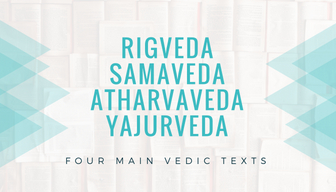
    There are four main Vedic texts to keep in mind:

    • the Rigveda,
    • Samaveda,
    • Atharvaveda,
    • and the Yajurveda.
    • Bhagavad Gita (some denominations consider it Vedic)

    Vedic texts

    Although originally surviving through word of mouth thousands of years before this, the Vedic texts (or Vedas) were written around 500 B.C.E., while the Rigveda is believed to have been completed by 1,500 B.C.E.

    A lot of these texts were concerned with sacrificial rituals such as sacrificial prayers, incantations, and elements related to magic (to name a few). Nowadays, these are viewed more symbolically or philosophically – although they were presumably intended more literally at the time.

    The word “yoga” was discussed in the Rigveda. There is mention of “yoking” your mind and insight to the “Sun of Truth.” Yoga is also discussed in the Bhagavad Gita (another text some Hindu denominations consider Vedic), where Krishna describes four types of yoga.

    Four types of yoga (as described by Krishna):

    • Selfless Action – in following one’s soul path, one’s dharma, first and foremost, and without thinking of the outcome, the result, or being motivated by self gain (Karma Yoga)
    • Self-Transcending Knowledge (Jnana Yoga)
    • Psycho-Physical Meditation (Raja Yoga)
    • Devotion – loving service to the Divine Essence (Bhakti Yoga)

    Another important text (previously mentioned above) is the Bhagavad Gita, which is believed to have been written between the 5th and 2nd century B.C.

    In the Gita, the goal of yoga is the realization of Brahman or the Divine Essence. While the paths to achieve this for individuals may be different, the essence of coming to an unequivocal knowing of the Oneness of the Divine, and oneself within this fundamental reality, is the same.

    “The Gita addresses the discord between the senses and the intuition of cosmic order. It speaks of the Yoga of Equanimity, a detached outlook. The term “yoga” covers a wide range of meanings. But in context of the Bhagavad Gita, describes as a unified outlook, serenity of mind, skill in action, and the ability to stay attuned to the glory of the Self (Atman), which is of the same essence as the basis of Being (Brahman).” – an excerpt from Wondering Man, by R. Goswami.

    Conclusion

    Because yoga is so old and much of its pre-written history was spread by word of mouth, the origin is difficult to trace and may never be fully understood.

    Look on the bright side though. Yoga is one of the oldest traditions of human practice (besides maybe music making and starting fires). It is amazing to think that yoga has come such a long way since its beginning in the Himalayas according to Sadhguru.

    Although yoga is not seen as a spiritual activity, one of the oldest reasons behind yoga is to find what it means to be human through our anatomy’s mechanics. The original yogi found 112 different ways to maneuver the human body into all sorts of poses, but according to Sadhguru, there has been no other pose found to obtain one’s ultimate nature (unless you aren’t rooted in this physical body – interesting, huh?)

    Yoga is FREE

    Let’s take this historical reminder that no one owns and no one should ever own “yoga.” The Western philosophy that everything is a business for the most successful entrepreneurs does not apply to something that predates religious organization.

    Yoga belongs to the people, to the Earth and its inhabitants. No one owns its ideals now should a single monopoly gain from an ability to copyright yoga – thank goodness, this hasn’t happened yet due to the vaguity of yoga itself. But some companies have tried to patent a yoga process (created online yoga videos using a certain angle, camera, perspective, color scheme, etc.). Ridiculous.

    I believe a real yogi is one who is open to sharing everything they’ve learned and never look to profit financially off reserving it for themselves. The true “profit” can be found through sharing and helping others through yoga, its practice and its philosophy.

    But, I’m done ranting.

    Thanks for reading this article! I hope you found it informative and thought-provoking. Continue researching on your own and always ask questions!

    What is your reaction to the rich history of yoga? Please share your thoughts in the comments below! I’m eager to hear from you.

    Want to hear more from me? Feel free to sign up for the newsletter!

    Thanks again and best of luck with your yoga routines!

    Chase

    May 2018

    MusicalGrowth - Site Logo

    SOURCES

    http://isha.sadhguru.org/blog/yoga-meditation/history-of-yoga/the-first-yogi/
    https://www.harappa.com/category/slide-subject/seals

    https://kamengshambhala.wordpress.com/2016/12/14/the-history-of-yoga-in-antiquity/

    http://theartofyogafoundation.blogspot.com/2012/01/introduction-day-and-history-of-yoga.html

    https://en.wikipedia.org/wiki/Vedas

    http://www.eastrovedica.com/html/yogahistory.asp

    https://en.wikipedia.org/wiki/Mahabharata

    Wondering Man, Money & Go(l)d by R. Goswami

  • Yin Yang Contemporary Candle Holders

    Yin Yang Contemporary Candle Holders

    Candles are an amazing decorative option when lighting up your meditation room, personal office, or really any room in the house!

    Yin Yang Contemporary Candle Holders

    No wonder humanity’s dark nights have been brightened by candles for over 5,000 years! They are useful and serene.

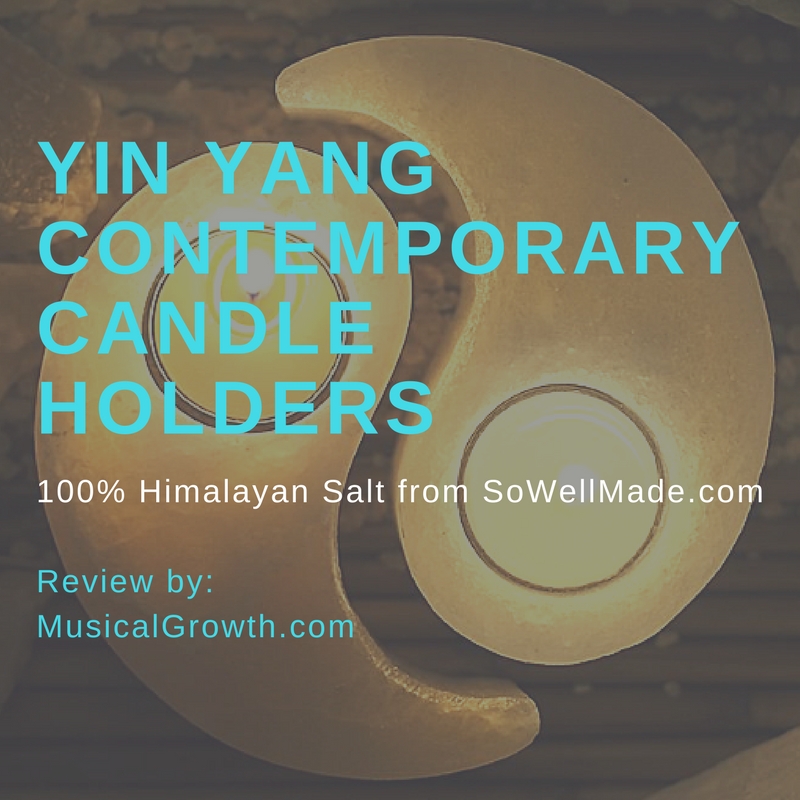
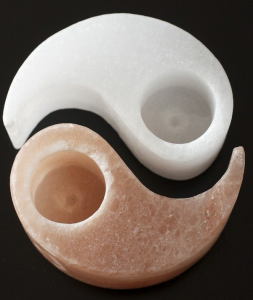
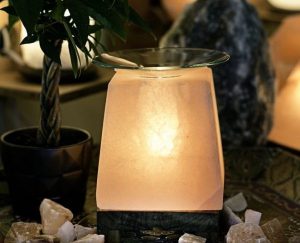
    I stumbled upon a great find that I would HIGHLY recommend for anyone looking for contemporary candle holders, because these are not only in the shape of the Yin Yang sign, but are also made of 100% pure Himalayan pink salt.

    Yin Yang Himalayan Salt Candle Holders

    This article will go into every detail you might be asking yourself when looking at this gorgeous pair of Himalayan salt candle holders.

    This article’s organization:

    • Why Himalayan pink salt?
    • What is “Yin Yang”?
    • Details about the product
    • Where to buy!

    Why Himalayan Pink Salt?

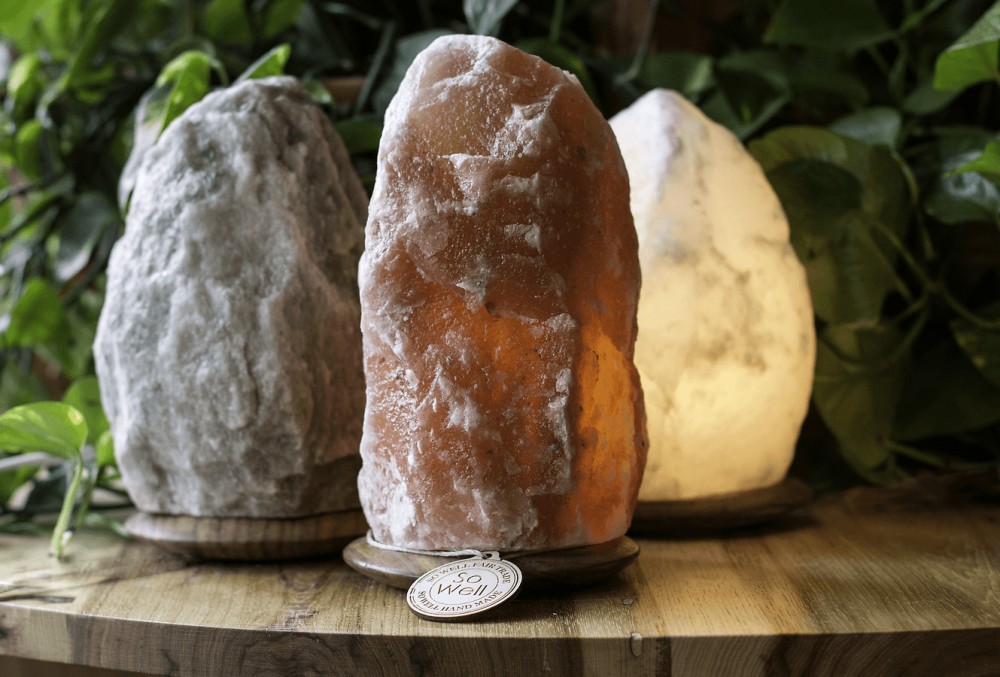
    Pink salt is over 250 million years old and is the world’s purest form of salt (even more so than sea salt!). With over 80 minerals contained in Himalayan pink salt, it is far healthier than epsom salt (don’t believe me? Read this: Pink Salt Baths are Better Than Epsom Salt Baths!).

    The truest form of pink salt can be found from the Himalayan mountains, usually mined from the mountain side in Pakistan – don’t trust salt from other paces because they can be manufactured! Chinese pink salt is not as pure as naturally formed pink salt from the Himalayas.

    From pink salt lamps to salt therapy to pink salt Nettie pots to pink salt in cooking, it is no wonder it is so popular. There are more benefits than people know!

    Possible benefits from these pink salt candle holders:

    • Filters air
    • Improves mood
    • Reduces stress
    • Reduce allergy symptoms

    Pink salt is naturally hygroscopic, which means it absorbs moisture from the air which can help filter out bad particles. Pink salt is known to be a negative ionizer, which is a similar quality to natural things untouched by human technology or “positive” ions. This effect can in turn help improve your mood and reduce stress.

    The pink salt works best, obviously, when it is not dried out and is warmed by the candle. Or is lit, such as in pink salt lamps.

    If you’re curious about more research behind the benefits, effects, and science of Himalayan pink salt then I’d recommend reading on of my BEST articles: Pink Salt Lamp Benefits – The Truth Behind the Pink.

    Pink Salt Lamp Benefits

    What is “Yin Yang”?

    The yin and yang sign is not only a cool design, but also a very deep-rooted symbol in Chinese philosophy. It roughly translates to “dark-bright” or “negative positive.”

    Yin Yang

    It represents the idea that opposite attracts and that you can’t have one without the other, such as night and day, cold and hot, black and white, wet and dry, fire and water etc. Opposites exist every in nature and this simple symbol represents that contrary forces are complementary to each other, possibly even interconnected.

    • Opposites attract
    • There cannot be one without the other (light and dark)
    • Duality symbolized through color and design

    The idea of the symbol design of the yin yang is derived from the Taijitu representation that there is a balance between two opposites, but are interconnected represented by a portion of each element within each other.

    Details About the Product

    So take this background information into consideration as you consider this yin yang pink salt candle holder set.

    Pink Salt Contemporary Candle Holder

    Yin Yang Himalayan Salt Candle Holders

    • From the most trusted supplier of Himalayan pink salt on the market, SoWellMade.comClick here to read full review of their amazing website.
    • TWO Handcrafted Candle Holders (shipped in boxed set)
    • 100% pink salt and rare white Himalayan salt
    • Height – 2″, Diameter – 6″, Weight – 2.5 pounds
    • ON SALE (as of April 14, 2018) – only $18!
    • 30-day satisfaction gaurantee
    • Flat-Rate shipping ($8.95 on all orders)
    • Fairtrade Regulated
    • From Pakistani mountain side of the Himalayans

    You can plop some American Soy Tealights in these holders and sit back a good 6 to 7 hours of burn time before needing to replace them (and for only $17 on Amazon you can by 36!).

    Soy Tea LightsCustomer reviews state they’re great to sleep next to your bed and the candles themselves sit low enough to be safe to leave burning (when using tea lights). These make for great gifts and they make for a great addition to any room becuase the pink salt looks rustic as well as contemporary.

    A great thing about receiving two is that they can be separated and still maintain a great contemporary look.

    Though this set is designed to stand together, they’re not connected and be placed away from each other. You can potential light up two rooms with one purchase!

    Where to Buy!

    As confirmed by a customer review, this specific candle holder design made of 100% Himalayan pink salt CANNOT be found anywhere else other than SoWellMade.com.

    Click here to view on SoWellMade.com!

    Yin Yang Contemporary Candle Holders

    I know everyone is used to buying on Amazon and very rarely goes as far as Etsy, but trust me, this website is amazing and is the only website that I trust with my personal Himalayan pink salt needs – I own my very own Solay 12.5-pound amber salt lamp that I have on 24/7 in my office to help combat the blue light from my computer screen. And I love it!

    SōWell Review

    If you need more evidence that SoWellMade.com is a trustworthy site or you just want some more information before ordering from them, I’ve written an extensive review of their website to help. Click the above photo for more info!

    Conclusion

    Decor is an important element to invest in to improve your meditative atmosphere. Once you have what you need, your rarely have to spend more.

    Salt Candle Holder

    For instance, my office contains a wood wall, acrylic paintings, wicker furniture and rug, a 12.5-pound salt lamp, a mini desk fountain, and a Woodwick candle (which I’d recommend as well). I put all this in place when I moved in and it has been TWO YEARS since I’ve bought any additions, because I haven’t needed to!

    So once you complete the initial investment process, you’ll be good to go!

    And SoWell has become one of my most FAVORITE companies for decor, health, food, and bath supplies. I talk them up too much, but I swear I don’t work for them. It’s my right as their biggest fan to talk them up, right?

    I do hope you consider these amazing contemporary candle holders, but if anything, I hope they get you thinking of ideas on your next improvement to your space!

    If you like these candle holders, let me know by commenting below!

    If you’d like to hear more from me and MusicalGrowth, feel free to sign up for the newsletter.

    Thanks for reading! And good luck with your decor!

    Chase

    April 2018

    MusicalGrowth - Site Logo

  • Tibetan Singing Bowls History – The Purpose Revealed

    Tibetan Singing Bowls History – The Purpose Revealed

    *Originally published on Feb. 20, 2018. Last updated on April 12, 2018.*

    Unfortunately, the history of Tibetan singing bowls has been lost due to the near complete destruction of Tibet’s monasteries in the 1950’s due to the communist Chinese military occupation.
    Singing Bowls Purpose and History

    Luckily, I’ve found a few trustworthy sources for some interesting information most people don’t know about. These sacred tools need to be respected and cared for properly – without an accurate knowledge of Tibetan singing bowls history, the user may not understand the context.

    As a quick example, Americans are taught not to drop the national flag on the ground out of respect for the colors. Singing bowls are sacred and should also be cared for properly – at least if you respect the culture.

    This article’s organization:

    • Introduction to the Material
    • History of Tibetan Singing Bowls
    • Their True Purpose
    • My Recommendations

    Introduction to the Material

    According to Rain Gray from Bodhisattva.com, many monks and people of the Himalayas know very little of Tibetan singing bowls – he had actually travelled and researched the history of singing bowls for over 8 years. At the time of publication, these bowls were fairly new to the Western world and information about their background was in demand.

    Thanks to Rain Gray’s determination, he was able to interview two Tibetan-born, Buddhist monks on October 7, 1986, about the historical use of singing bowls. I would just like to say thank you to Rain Gray, Lama Lobsang and Lama Lobsang Molam for sharing their research with the world through their article.

    The article itself is only a transcript of this interview and because of their broken English, difficult concepts were hard to understand – so in the spirit of spreading the Dharma (teachings of Buddha), I hope I’ve covered and re-explained things from Mr. Gray’s article and other sources in a friendlier format (though I do invite you to read Gray’s original article as well).

    History of Tibetan Singing Bowls

    The music of Tibetan monasteries are quite varied, not just in different pitched singing bowls, but in the variance of instruments. Miles away, a temple gong can be heard calling upon the surrounding inhabitants to stay mindful. The “purr of a well-blown conch,” reed-blown clarinets, drums, cymbals, and large two-manned trumpets (up to 18 feet long!) are also common practice. All music and sounds produced by Buddhist monasteries followed the principle of “interdependence, interrelationship, and interaction functions” (according to the journal article, Asian Music).

    Buddhist singing bowls have been linked to the very first teachings of Buddha as a means of teaching (among other things such as healing). The first metal bowls were estimated to have been made of pure copper over 5,000 years ago., but Tibetan bowls were estimated to have been made over 2,000 years ago – but as I had said at the beginning, the communist Chinese regime burnt precious Tibetan monasteries that practically erased most of the written record of singing bowls.

    Singing Bowls - Sacred Tools

    Today, we must rely on the traditions and knowledge passed down from generation to generation and luckily, the mysticism of the Tibetan culture hasn’t changed. Dwelling at the highest point of the world with the surrounding Kunlun and Himalaya Mountains, Tibet sources mighty rivers that flow down to India and China. According to an article in the Social Science journal, the first time a European (Friar Odoric) visited Tibet, a written account of the experience in 1330 C.E. read:

    “Those who are born here (Tibet) have very long lives… [and possess] clear understandings and good memories… they deserve honour above all other men.”

    Fortunately, in 1986, Rain Gray from Santa Monica, CA was determined to find some answers about singing bowls after a long 8 years of personal research with little reward. Gray finally sat down with two Tibetan Buddhist monks to ask questions and hear the valuable teachings of singing bowls that have been handed down through speech and tradition.

    Originally there were three singing bowls (relics as they say) that were kept safe behind the Drepung, Narthang, and Sakya Monasteries in Tibet. Unfortunately, Lama Lobsang Molam inferred that there only one left at the Drepung Monastery.

    These precious relics are said to have been originally used by the historical Buddha (Shakyamuni) as a teaching tool who taught through language and energy. Singing bowls being the tool for his energy. The original relics were special in that legend states: those with negative karma produce lesser quality tones from these original singing bowls, whereas those with positive karma produce pure tones.

    Singing bowls are notoriously complicated in their metal alloys that are said to contain 5, 7, or 9 different metals, one of these metals being the rare meteorite iron. Tibet has a special, “extra pure” type of meteorite iron thought to be the reason why Tibetan singing bowls have especially pure sounds and resonant abilities.

    Purposes of Singing Bowls

    Their True Purpose

    Although the history of singing bowls are a little convoluted, the traditional use has been passed down through the generations. According to the interview conducted by Rain Gray, the purpose of Tibetan singing bowls are a bit different from the Western world tends to believe.

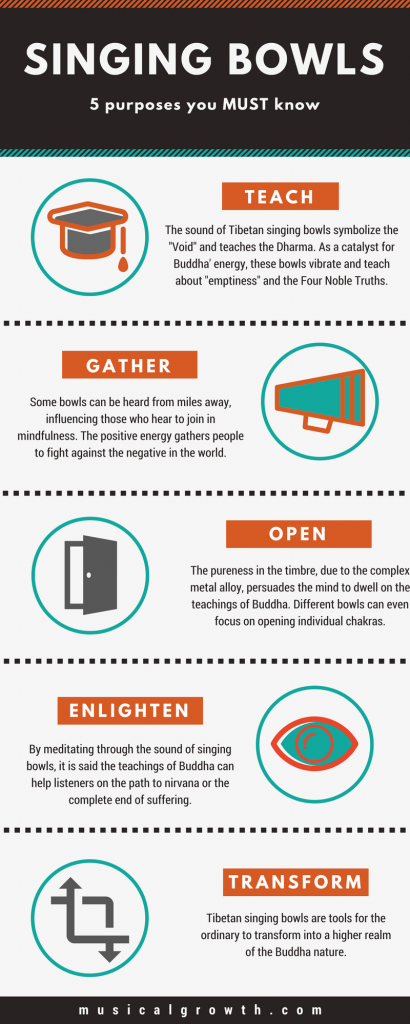
    The purpose of singing bowls:

    • Teach
      • Symbolized the “Void” and teaches the Dharma
      • The vibrations teach about “emptiness” and keeps listeners away from Narak (“hell realm or lower realm”)
      • Is a gateway for Buddha’s energy to pass through by vibrations and teach about the Four Noble Truths
      • With the teachings from singing bowls, the listener may be equipped to join Shambhala (a mythical kingdom ruled by the “future Buddha”)
    • Gather
      • Those in the area will be influenced to join in mindfulness
      • The positive energy will gather people to fight against those who try to destroy or conquer the world
      • Even “hungry ghosts” can hear the sound thousands of miles away (according to Lama Lobsang Molam)
    • Transform
      • Singing bowls are tools for the ordinary to transform into a higher realm of the Buddha nature

    Listeners of singing bowls are to dwell on the Dharma or the teachings of the Shakyamuni Buddha (or Siddhartha, the historical Buddha), which most importantly can be tied to the Four Noble Truths:

    • (1)The Truth of Suffering
      • All existence is suffering
    • (2) The Truth of Cause
      • Suffering is caused by ignorance and can in-turn cause craving and illusion
    • (3) The Truth of Extinction
      • There is an end of suffering: nirvana or enlightenment which is the state of no suffering
    • (4) The Truth of the Path
      • Nirvana is attained through practicing the Eightfold Noble Path

    So for the layman: Tibetan singing bowls help in attaining peace of mind. The vibrations of a singing bowl produce a sound of the “Void” and are derived from the Buddha’s energy transmitted through its resonance. Listening, in turn, helps us along the path to enlightenment and the end of suffering.

    Of course, after reading the fourth Noble Truth, the next question is inevitable: “what is the Eightfold Path?”

    The Eightfold Noble Path (simply put):

    1. Samma ditthi – Right understanding
    2. Samma sankappa – Right thought
    3. Samma vaca – Right speech
    4. Samma kammanta – Right action
    5. Samma ajiva – Right livelihood
    6. Samma vayama – Right effort
    7. Samma sati – Right mindfulness
    8. Samma samadhi – Right concentration

    If you’re interested in these ideologies, I would highly recommend conducting your own research and contacting your local Buddhist sanctuary. I am not advocating or pushing any religion, but want to provide basic information to anyone who is interested.

    Spirituality is for everyone and the teaching of Buddha can be used as a guideline no matter if you are Buddhist or not. Religions across the world tend to have similar characteristics of behavior that generally relate to “do no harm” and the golden rule: “treat others as you would like to be treated.”

    Keep an open mind. Review and research these teachings as they may add valuable insight into a more simplistic life. But as I always say, take everything with a grain of salt.

    My Recommendations

    Because true singing bowls are from a long tradition of caring production, you have to be aware of a few key characteristics when searching for your own singing bowls. The “self-help” industry tends to mass produce popular items without caring as much about authenticity or perhaps even quality.

    There are a few amazing brands that are less than $100! So if you’re looking for a newly made singing bowl that I’d recommend, definitely read this article: Singing Bowls Sale – Under $100!

    I’m still reviewing antique singing bowls at the moment, but I would highly recommend checking out iSingingBowls.com – that’s where most of the bowls I trust come from.

    Musicologist, Rain Gray, goes to the Himalayan mountains to choose from 50,000 singing bowls and after testing each of them in person, he only takes 1 out of every 200. He’s very picky! So you know each bowl iSingingBowls.com has for sale is of the greatest quality.

    Conclusion

    Tibetan singing bowls are sacred tools and we who are fortunate enough to own these bowls must respect their purpose and ancient tradition by caring for them properly.

    The next coming Buddha is known as “Maitreya,” which can be translated as “harmonic resonance.” Sound can invite energy into the soul and speak to one’s heart on a very different level than language can (I have always thought words can be distracting – I would much rather sing or play my emotions versus explaining them).

    Much like Himalayan pink salt lamps, yoga, or meditation, singing bowls have been a recent trend for good reason. But I doubt many people know of the true nature and purpose behind these mythical tools.

    I would invite you to share this information with anyone you know so we can help preserve the proper long-standing tradition of Tibetan singing bowls. Without an accurate understanding of their context, one may never respect and care for their own singing bowl properly.

    My handmade Tibetan singing bowl has always been a cherished possession of mine, but after researching and finding out the tradition of these bowls, I’ve come to really respect the craftsmanship and amazing sound it produces.

    You’d probably be interested in this article!

    Healing with Sound Frequencies

    What are your thoughts after reading this article? Has it changed your perspective toward Tibetan singing bowls? I would love to hear from you!

    Thanks for reading!

    Chase

    Feb. 2018

    MusicalGrowth.com

    Sources

    BestSingingBowls.com – https://bestsingingbowls.com/history-singing-bowls/

    Gray, Rain. Bodhisattva.com. Site: https://www.bodhisattva.com/singing_bowl_history.htm

    Jennings, Walter. “Tibetan Civilization.” Social Science, vol. 2, no. 3 (1927): 243-289.

    Lhalungpa, Lobsang. “Tibetan Music: Secular and Sacred.” Asian Music vol. 1, no. 2 (1969): 2-10.

    Tricycle – https://tricycle.org/magazine/noble-eightfold-path/

    Wikipedia – https://en.wikipedia.org/wiki/Shambhala#In_the_Buddhist_Kalachakra_teachings

  • 12 Best White Yoga Pants on Amazon!

    12 Best White Yoga Pants on Amazon!

    When it comes to yoga pants, white yoga pants seem to be very popular in hot weather, beach activity, or even hot yoga.
    12 BEST WHITE YOGA PANTS

    The white color doesn’t soak the sun’s rays quite as much as darker colors. White also keeps you cool and if you have a bit of a tan, the white is great contrast! White yoga pants can help your skin appear darker due to the visual comparison against extreme, pure white.

    Because most people do their shopping on Amazon first, I wanted to offer 12 of the best options for white yoga pants. A few of these options are for men, but (of course) most of them are for women!

    Here’s the breakdown for those who don’t want to scroll:

    • Women’s options: #1 through #7 and #12
    • Men’s options: #8 through #11

    Remember, to view these options on Amazon you can click on the photo, the name, or copy and paste the ASIN number (Amazon Standard Identification Number).

    1. Onzie Fierce Legging

    Onzie Yoga Pants

    Sometimes simple is better and with this option, you’ll find mesh sections and the standard polyester sections without any crazy designs.

    The mix of fabrics can help provide a durable material apart from just polyester. And buying this option, you can keep in mind you are supporting USA production and manufacturing!


    2. ONGASOFT White Mesh Yoga Pants

    ONGASOFT Yoga Pants

    • ASIN: B076C43N4W
    • 87% Nylon, 13% Spandex
    • Flat-lock Stitching
    • Side pocket, inner pocket
    • Sweat-wicking, breathable, stretchy lightweight fabric suitable for fitness
    • CLICK HERE TO VIEW ON AMAZON

    In comparison to the first option, this design is a little more complex but still maintains a slick look between the mix of mesh and nylon.

    Polyester is a little more fast drying and abrasion resistant, but nylon is softer and stronger! So definitely keep the fabric in mind when choosing between these options!

    So to repeat:

    • Polyester is faster drying and more abrasion resistant than Nylon
    • Nylon is softer and more strong than Polyester

    For each of these options, I’ll list the fabric first! To help your decision process. Sometimes the information available on Amazon is rather unorganized and difficult to find, but I tried to provide more a better format!


    3. HOEREV Super Soft Spandex Harem Yoga/Pilates Pants

    HOEREV Pants

    Modal is a type of rayon fabric made from fibers of beech trees that is very soft, drapes well, has a smooth lustrous finish, and resist creasing.

    By having this option of pants, you can stretch, walk, or go into a yoga session with a lot of comforts. With all the space from the flowy fabric, you’ll feel very free and open in your indoor or outdoor activities.


    4. Vovotrade Flowy Casual Summer Yoga Pants

    Vovotrade White Yoga Pants

    When comparing option 3 and 4, this option is even MORE open because the legs are not sown or attached to an elastic band around the ankle.

    The polyester fabric drapes down beautifully in layers around the legs. The back may not look as beautiful, but the front is very flattering and forms well to the anatomy of “yoga legs,” or just regular legs without muscle definition from yoga!


    5. iYoga Mesh Yoga Pants Leggings

    iYoga Mesh White Yoga Pants

    • ASIN: B078SSLD8H

    This yoga pant option compares to the first two I’ve listed but has a different mesh design that’s flattering to the upper thigh. The polyester fabric mix allows for a comfort along with the interlocking seams.

    The design is simple but leads the eye upward toward the shape of the leg. Definitely, compare this option with 1 and 2!


    6. Geek Bootleg Casual Cotton Spandex Leggings

    Geek Bootleg Yoga Pants

    Old fashion and styles are coming back! The bootleg look is not only a “style,” but also comfortable in yoga because it allows your ankles more freedom. The slim look IS flattering (much like polyester yoga pants), but the loose cotton fabric gives more space for movement and breathability.


    7. CFR Mesh Yoga Pant Sport Leggings

    CFR Mesh White Yoga Pants

    • ASIN: B073TXR5KF
    • Quality Stretchy Fabrics (not specifically explained on Amazon)
    • 100% guaranteed refund within 30 days
    • CLICK HERE TO VIEW ON AMAZON

    Maybe it’s because I personally love the mesh designs, but there are a lot of them! This is another option for mesh designs that compares to number 1, 2, and 5.

    The difference with this design is that the mesh is around the knees, but the most clever idea behind the shape of the mesh design is that it employs the illusion of skinnier legs. The swooping lines bent inward help the legs appear tighter and smaller. Smart, right?


    8. CandyHusky Mens Cotton Yoga Pants

    CandyHusky Men's Cotton White Yoga Pants

    As far as men’s yoga pants, there are definitely fewer options. But as a guy, I’ve found a few options that I would wear proudly!

    Number 8 looks very comfortable, not because of the 100% cotton fabric, but because there is so much space that’s given in the design. I feel most men would prefer a loose fitting pair of pants (like sweatpants rather than tight-fitting pants.

    Men, for the most part, are always more proud of their arms and upper body than their legs. In my opinion, I hate my legs! I’d much rather hide them, then try to show them off.


    9. Hemoon Men’s Running Trousers

    Hemoon White Pants

    I wouldn’t list this sweatpants design if it weren’t with my recent experiments that led me to believe in sweatpants as yoga pants. BUT, I don’t mind sweating in my sweatpants during yoga because my goal is to loose weight.

    Keep in mind that these pants are obviously not going to breathe the same way as yoga pants, but the polyester material will allow things to breathe FAR BETTER than cotton.

    Which trust me, don’t do yoga in sweatpants. It’s really uncomfortable and sweaty. But definitely, try sweatpants like these that are designed for jogging or running.


    10. Ouber Men’s Mesh Yoga Pant Leggings

    Ouber White Yoga Pants

    This option is a rare find. Many yoga pant options for men are NOT form fitting, but if you are proud of your legs then show them off! The mesh designs help these form-fitting pants look more stylish and the nylon fabric is very fast drying.

    These look very comfortable for any yoga-specific workouts and I’d highly recommend trying it! It would definitely be more appropriate to wear these for yoga than sweatpants.


    11. 4-rth Men’s Eco-Track Pant

    White Eco-Track Pants

    The modal fabric makes this option a bit more pricey, but are definitely more comfortable and provide a higher-quality look. The loose fitting style offers men a chance to feel comfortable in their “manly” legs (mostly cause most men are not necessarily proud of their legs).

    So if you have a bigger budget, this would definitely be the best option. Plus, they look cool!


    12. VESNIBA Yoga Pants

    VESNIBA Yoga Pants

    The last option I’m listing compares to #1, 2, 5, and 7 except this time the mesh design is far more intense! Which looks very modern and very stylish.

    The extra mesh sections allow the material to breathe better and by having 100% polyester fabric, you can feel assured these pants will be super comfortable and fashionable.


    Conclusion

    White colored yoga pants make the wearer look brighter, more positive, and brings a nice atmosphere to a room. The white is pure in its style and the mesh/fabric designs combine to offer some very flattering options.

    I hope this list has given some great ideas as far as white yoga pants on Amazon.

    Which option was your favorite? Share your opinion in the comments below!

    If you need more ideas on yoga pants, I’d highly recommend reading the article: Hot Yoga Fashion.

    Thanks for reading! Feel free to sign up for the newsletter to hear more about fashion among other ideas, materials, and music to help improve your healthy lifestyle!

    Best of luck with your yoga pants!

    Chase

    April 2018

    MusicalGrowth - Site Logo

  • 7 Chakra Healing Jewelry – Fashionable Health!

    7 Chakra Healing Jewelry – Fashionable Health!

    If you’re wondering why you feel sick or “off” today, you may consider asking yourself if your chakras are aligned or just a bit unbalanced. If you find you need help balancing your chakras, no need to panic! There are some easy and passive ways to restore chakra balance, such as chakra healing jewelry!

    Chakra Healing Jewelry

    The greatest aspect of chakra healing jewelry is not only the fact they aid in the balancing of your energy flow, but they are very fashionable nowadays (not to mention their unique look!).

    I personally love jewelry that has a meaning and purpose behind the edgy look.

    So in this article, I will be introducing you to 7 different options you’ll want to consider when looking into chakra healing jewelry. BUT FIRST.

    Let me give a reference table for the chakras, color, and related gemstone. A happy customer is an informed one!

    Chakra: Location: Color: Gemstones:
    Crown Top of the head, slightly to the back Purple Calcite, diamond, herkimer diamond, moonstone, opal, quartz, zircon
    Third-Eye Forehead between the eyes Indigo Amethyst, Fluorite, Sugilite
    Throat In the front at the base of the neck, at the midpoint of collarbone Blue Amazonite, aquamarine, azurite, lapis lazuli, sapphire, sodalite, turquoise
    Heart Center of the breastbone Green (or Rose) Bloodstone, chrysocolla, dioptase, emerald, jade, malachite, peridot, rose quartz, tourmaline
    Solar Plexus Just above the navel or belly button Yellow Amber, citrine, gold, pyrite, rutilated quartz, tiger eye
    Sacral Lower abdomen Orange Agate, carnelian
    Root Base of the spine Red Coral, gamet, jasper, rhodonite, ruby, smoky quartz

    The below options are chakra healing jewelry that I would recommend. There are many options other than these, but I personally love the way these look and feel they offer the best quality (which in turn offers the best healing characteristics – I’d say!).

    1. Energy Muse Chakra Healing Bracelet

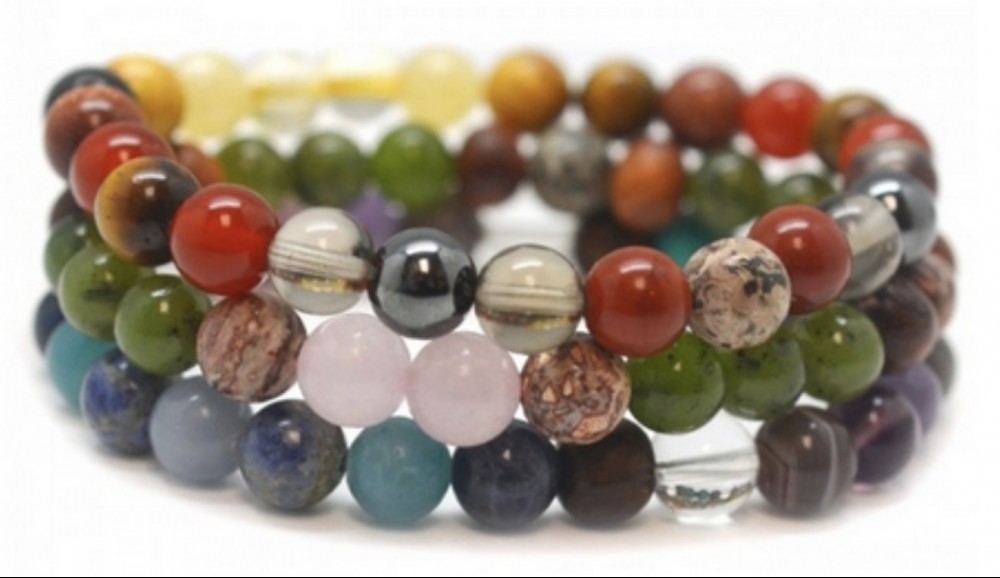
    Muse Chakra BraceletThese beautiful colorful beads are strung together on an elastic cord than contain the appropriate chakra stones to help balance, align and cleanse all seven of the major chakras. While you only spend around $80, you get amazing quality and THREE bracelets.

    • No metal
    • Includes smokey quartz, carnelian, citrine, rose quartz, turquoise, fluroite, quartz crystal
    • 7.5″ in diameter
    • Handcrafted in the USA
    • CLICK HERE TO VIEW ON YOGAOUTLET

    When you ask if it “actually works,” Energy Muse guarantees that these stones are “activated” in their sacred healing room to ensure effectiveness. If you wear them for 40 days straight (while removing them at night), you reach optimum results! Not too hard to do.

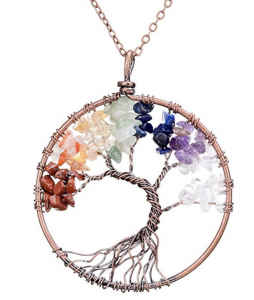
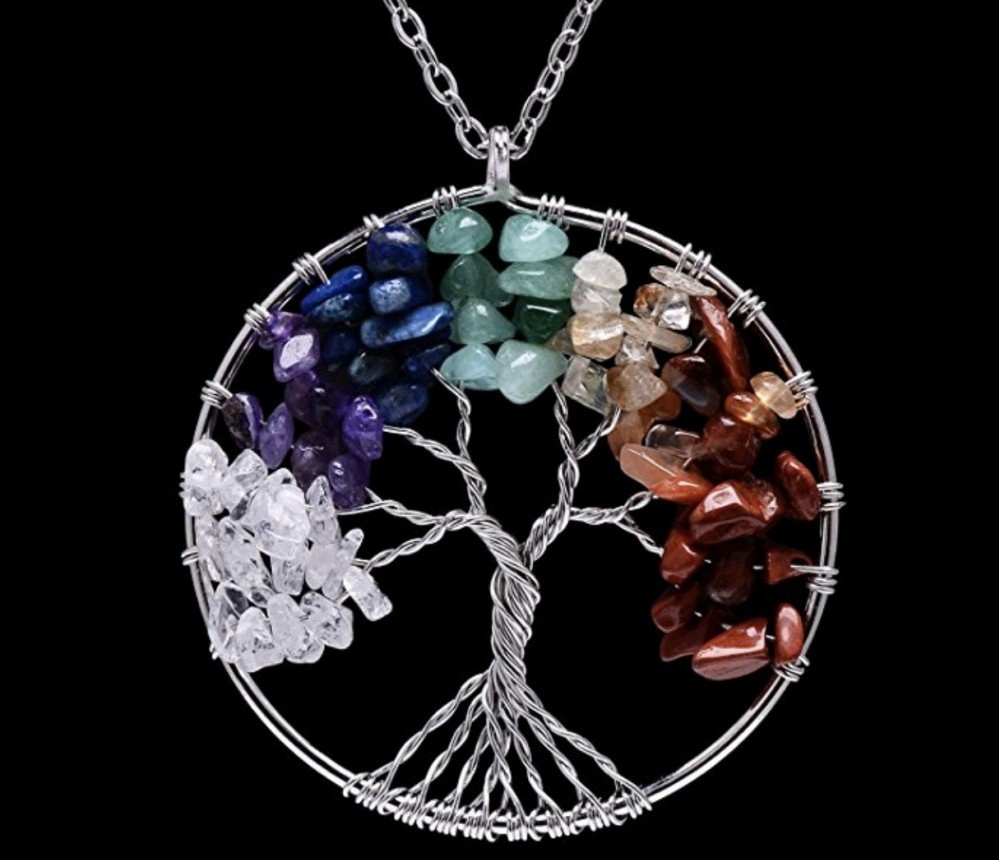
    2. Sedmart Tree of Life Chakra Jewelry

    Tree of Life Chakra Healing Necklace

    Not only does this chakra healing bracelet have the correct stones, but it has been shaped into the “Tree of Life” which symbolized a fresh start on life, good health, positive energy, and a bright future.

    • Handmade
    • Lobster claw clasp
    • 31″ in length plus 2″ pendant
    • Pendant includes these stones: quartz crystal, pink crystal, amethyst, green aventurine, blue-veins stone, red agate, redstone
    • 30-day no-risk return policy
    • Comes with black velvet bag
    • CLICK HERE TO VIEW ON AMAZON

    The very cool thing about this necklace is that it comes with MANY various design options.

    Owl Chakra Healing Necklace

    Tree of Life Pendant


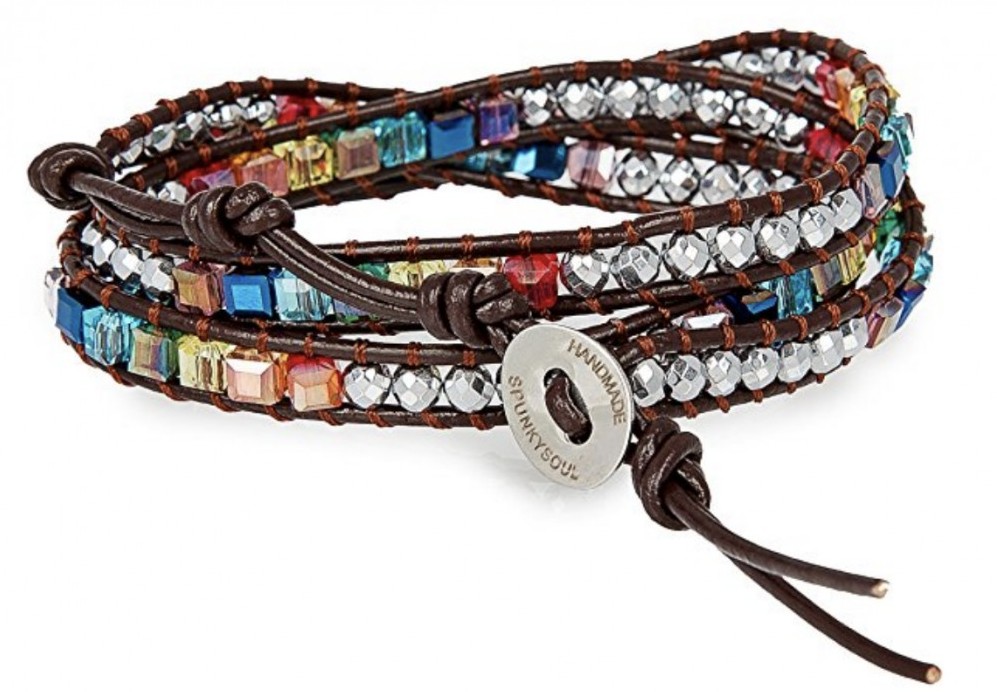
    3. SPUNKYsoul Chakra Balancing Leather Wrap Bracelet

    SPUNKYsoul Chakra Balancing Leather Warp Bracelt

    SpunkySoul has definitely made this list with flying colors – I LOVE leather on bracelets, so for me, this bracelet is by far one of my favorites. Among the chakra stones, this designer has also placed crystal glass and hematite in the mix. Hematite is known to create a protective environment or a type of energy “shield” around the wearer.

    • Handmade
    • 19.5″ in length and adjustable to up to 2″ longer
    • Sterling silver button closure
    • If a gift, it comes with a gift box and a chakra meaning card
    • NICKEL and LEAD-FREE
    • 100% money back guarantee
    • 5 out of 5 stars on Amazon!
    • CLICK HERE TO VIEW ON AMAZON

    Leather always makes jewelry more comfortable in my opinion. The descriptions of this product and the money back guarantee really help you feel like the designer cares about their customers. Which is really nice and refreshing!

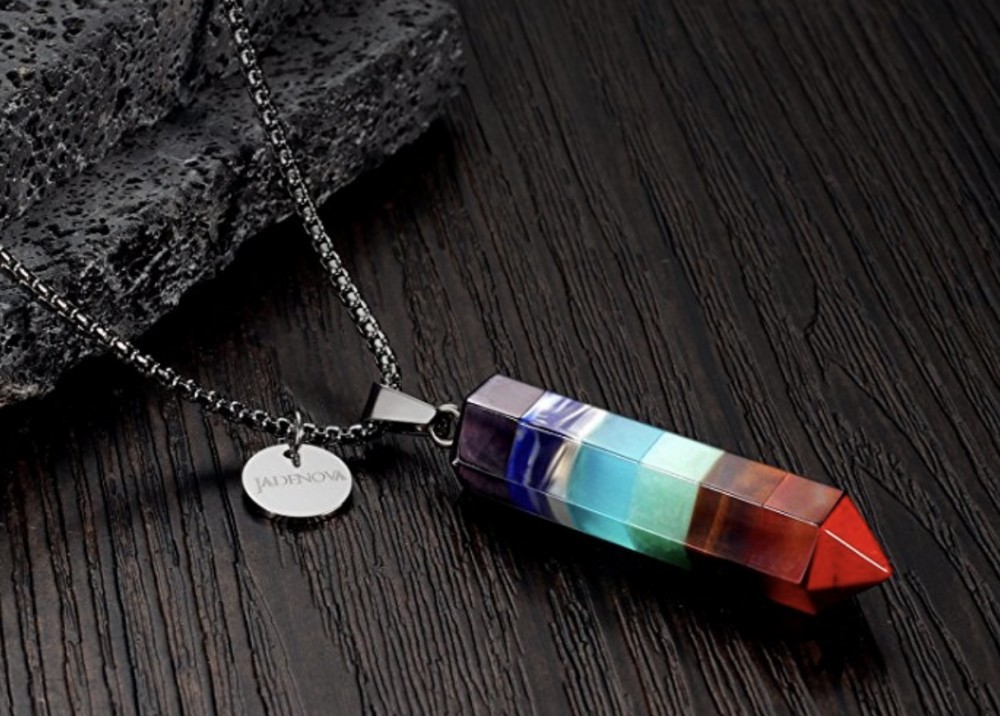
    4. JADENOVA Chakra Energy Healing Crystal Pendulum Necklace

    JADENOVA Chakra Pendulum Necklace

    This beautifully modern pendant is hexagonal in shape and adheres 7 well-crafted gemstones together to make a spiritually inspired chakra healing necklace. I love the fact the chain is hypoallergenic, yet durable and stainless steel.

    • The pendant is 1.5″x0.39″ with an 18″ chain
    • Hypoallergenic chain (lead and nickel free)
    • 7 layers of gemstones: natural amethyst, lapis lazuli, synthetic aquamarine, green aventurine, yellow tiger eye, red agate, and red jasper
    • Comes with a grey velvet pouch and drawstring
    • CLICK HERE TO VIEW ON AMAZON

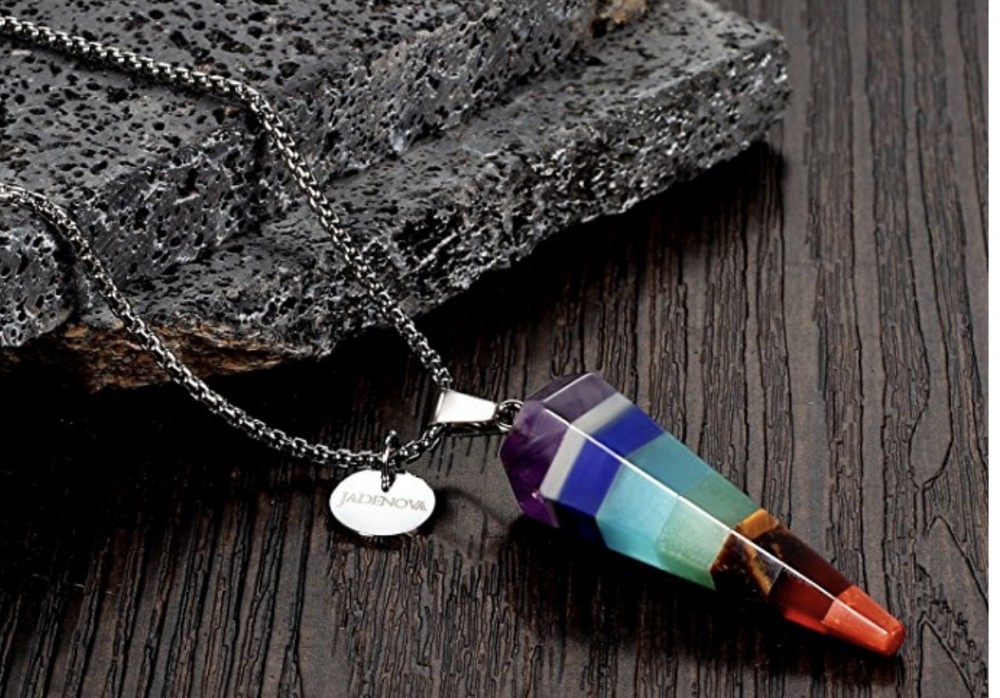
    Jadenova also has a different variation of the hexagonal shape. Here’s another option for this same style!

    Jadenova Hexagonal Chakra Necklace VariationMy biggest concerns would be weight since it looks like solid gemstones! But the shipping weight for both variations is only 1.6 ounces, so I don’t think the pendant itself is too heavy. With its lobster claw clasps and stainless steel chains, these necklaces seem very durable as well. And they both have a 4.5-star rating on Amazon!

    5. SUNDEAR Couples Chakra Healing Bracelets

    SUNDEAR Chakra Healing Bracelets

    Adding the elephant might be a bit more “cutesy,” but the symbol of the elephant means strength, power, longevity, stamina, wisdom, and moderation. These bracelets not only help balance the chakras by containing the relevant gemstones, but are also created to be for two people (couples in this case, but any two people really!).

    • 90-day warranty
    • 2 bracelets for the price of one
    • White howlite stones for “her”
    • Black matte agate stones for “him”
    • CLICK HERE TO VIEW ON AMAZON!

    Though they explicitly say “him” and “her,” I think these colors would look good on anyone, no matter their gender. I really like the white! It can be gift-wrapped and has one-day shipping options. Amazon’s customer rating is 4.5 out of 5!

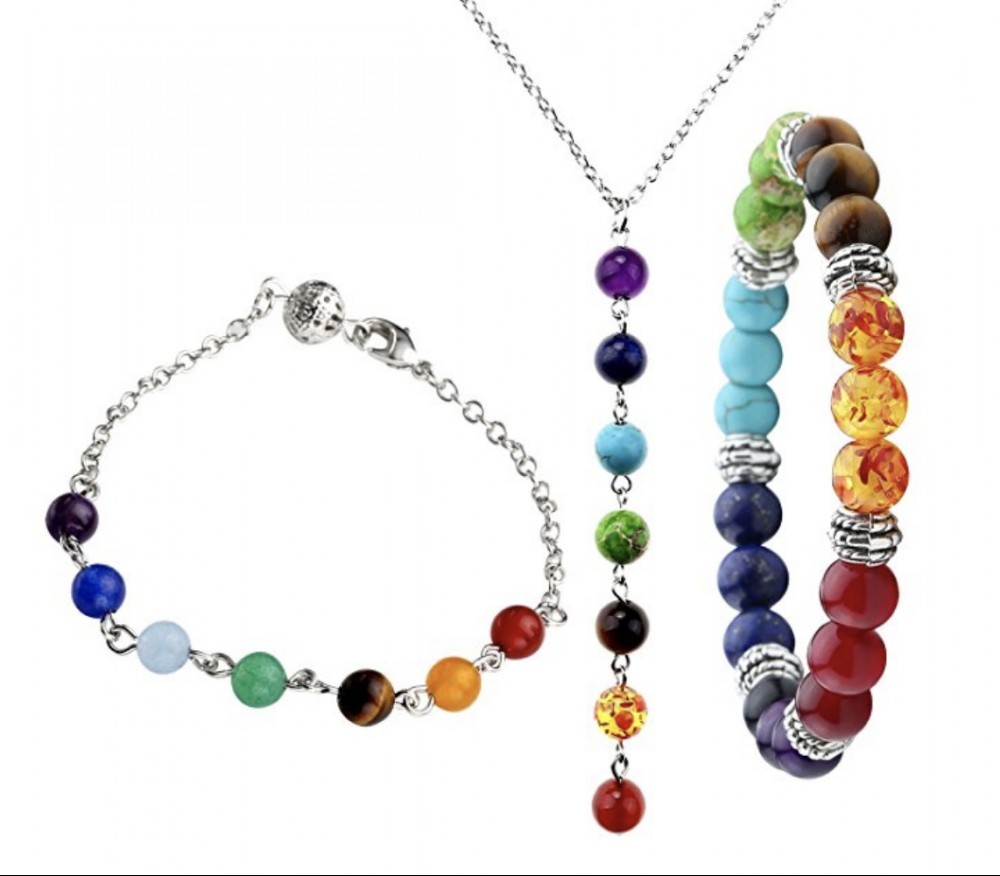
    6. Top Plaza Chakra Healing Set of 3

    Top Plaza Chakra Jewelry Set of 3

    If you’re looking for the most “bang for your buck,” Top Plaza offers an amazing set of 3 jewelry items: Bracelet, Necklace, and Earrings. But remember you get what you pay for – the quality may not be the best, but you definitely get the most!

    • Necklace: amethyst, lapis lazuli, blue agate, green aventurine, yellow amber, red amber, win red amber
    • Bracelet: amethyst, tiger eye’s stone, green aventurine, yellow amber, carnelian, simulated lapis lazuli, simulated opal
    • The necklace is 20″ in length
    • Includes velvet bag
    • CLICK HERE TO VIEW ON AMAZON

    Top Plaza claims that blockages affect the flow of energy between our chakras can negatively affect our health. By helping balance them with the correct gemstones, we can help maintain optimum physical and mental health. This product may only have 4 out of 5 stars, but they’ve been around for over 2 years now and offer a good amount for the price.

    Definitely, consider this options if you are low on funds. If not, shoot for one of the other options!

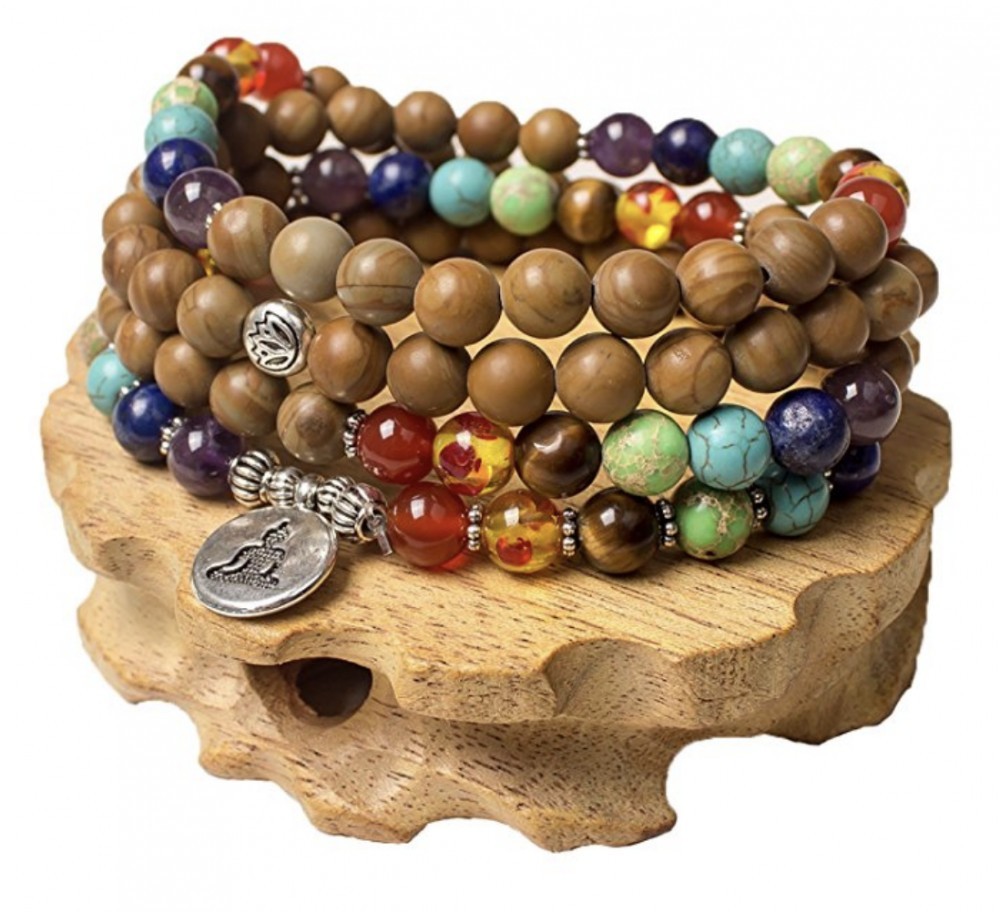
    7. PWMEN Mala Beaded Chakra Bracelet with Wood Jasper

    PWMEN Chakra Mala Bracelet

    Last, but far from least, this amazing mala bead bracelet with chakra stones and jasper wood. I must admit this one has become my favorite.

    • 100% authentic
    • 108 Mala beads of 8mm diameter
    • 7 chakra gemstones and jasper wood for healing and balance
    • The entire piece is 34″ in diameter, but can be wrapped into 3 or 4 layers for wearing on the wrist
    • CLICK HERE TO VIEW ON AMAZON

    Each stone and wood bead is strung on a durable elastic thread string with a pendant of Buddha imprinted in steel. The added benefits of wood jasper include the replenishing of physical energy, healthy roots, brings tranquillity and symbolizes compassion and patience.

    A truly symbolic piece of jewelry this one.

    The religious meaning of “mala beads” (or prayer beads) are to enable one to count each time a mantra is said. The tradition is to recite a mantra 100 time and then the remaining 8 is to fix any mistakes in the process (and probably relates to the 8 fold path in Buddhist philosophy).

    PWMEN also has another version of this mala beaded chakra bracelet that I really like.

    Mala Beaded Chakra Healing Bracelet Variation

    Conclusion

    I hope this article highlights some wonderful finds that you can agree with – authenticity is key, but as long as the gemstones are 100% gemstones, the stylish effect can be somewhat similar. As far as the healing properties go, I would highly recommend the 1st choice.

    For overall recommendations, out of these 7 options, I would lean more toward number 1, 4, and 7. I’ll list them again below for ease of access:

    If you’re new to the whole “chakra” philosophy, I would highly recommend reading into it with a few articles I’ve written:

    Have you worn chakra healing jewelry before? Have you felt a difference after wearing them for 40 days straight? I’m very curious about your experience! Please share with our community by commenting below. Or feel free to share your opinion by doing the same.

    Thanks for reading! And best of luck balancing those chakras.

    Remember to sign up for the newsletter if you want to hear more from me!

    Chase

    April 2018

    MusicalGrowth - Site Logo

    Sources

    Renascent College Graphic on Chakra Color Wheel

    CelestialHealing.net – Chakras

  • Best Incense – Brands, Materials, and Info!

    Best Incense – Brands, Materials, and Info!

    Incense is a growing trend in the West, whether its used in yoga sessions, church services, or massage appointments, but when it comes down to it, this spiritual tradition has been around far longer than many think.

    Best Incense

    I don’t claim to define the single, “best incense,” but I do hope to suggestion information and ideas for some great options that have been reviewed by many sources online.

    This article will provide everything you need to know about purchasing incense!

    The organization of this article:

    • Brief History of Incense
    • 6 Main Forms of Incense
    • Best Incense Brands
    • Best Incense for Stress
    • Best Incense Per Room
    • Incense Chart
    • Potential Side-Effects

    Brief History of Incense

    As I’ve mentioned in my essential oils article, aromatherapy has been around since before 18,000 B.C.E. (French cave paintings of plants being used in medicine were carbon dated to be over 20,000 years old!).

    The term “aromatherapy” was coined by the French chemist, René-Maurice Gattefossé in 1910 from an alchemy accident involving lavender essential oil (he accidentally healed a burn by dipping his hand in lavender oil – the nearest liquid during the accident!).

    Plants and Medicine

    The Indus Civilization (3,300 to 1,300 B.C.E), a civilization with trace evidence of yoga’s beginnings, were also known to use incense. Ancient China began using incense in religious prospects such as worship around 2,000 B.C.E.

    Incense is a very old, spiritual tradition and can even be seen in traditional Catholic services today. Frankincense was one of the gifts the Magi brought to the “newborn king.”

    The specific origin of incense seems to point toward ancient Egyptian roots, where incense was used in rituals to “please the gods.”

    But if there’s any take away from the history of incense, it’s that there is a spiritual, mental, and physical connection.

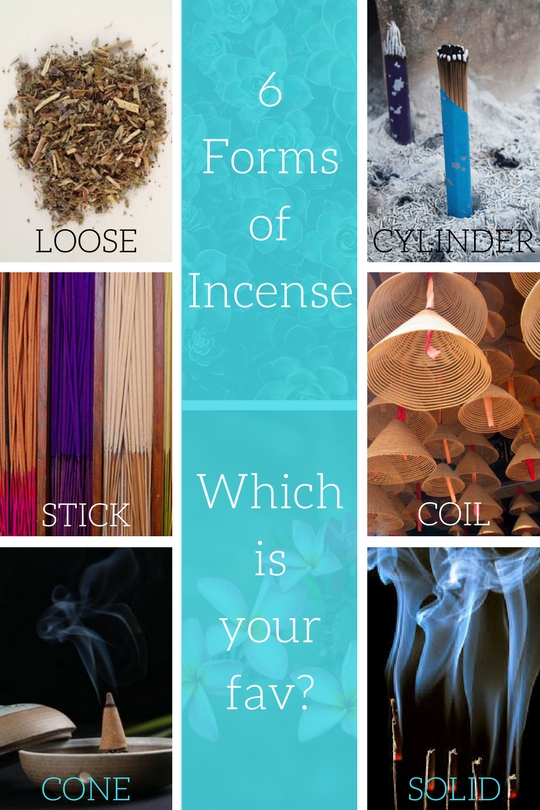
    6 Main Forms of Incense

    Because plant material can be shaped into many forms, the list could be much longer. The main forms of incense can be found in loose, cone, or stick form.

    Before you choose what form of incense is best for you, it’s best to know all the options.

    6 main forms of incense:

    • Loose incense
      • The oldest form of incense, but very high maintenance. You must continually supply heat or else the burning will stop. Best used for campfires with Japanese charcoal made from bamboo (due to the non-scent burning).
    • Sticks with bamboo
      • Most common in America and therefore, most commercially produced. Though there are high-quality options, many are low-quality and just soaked in fragrance. Be careful!
    • Cones
      • Stand-alone, durable cones are a great way to burn incense. Sometimes they can produce a lot of smoke though because a lot of material burns at the same time.
    • Solid Sticks
      • Lights easily and made in many lengths, but are fragile. Solid material burned in a bowl of rice or sand mainly.
    • Cylinders
      • “Most elegant” and “ultimate form” of burning incense according to SpiritualScents.com. Thickness can range from toothpick to pencil and offers an even burn and consistently regulated smoke/fragrance.
    • Coil Incense
      • An old Chinese tradition of burning incense where the material is circled into a spiral. This shape allows a lot of material to be molded into a small space which provides longer burn time.

    Forms of Incense

    Best Incense Brands

    When it comes to burning plants, you MUST have good quality material. Whatever you end up burning will eventually make its way into your lung since the smoke of the incense is breathed in.

    So quality should be your focus. Do some research! Your health is important.

    6 of the best incense brands:

    • Paine’s
    • Blackbird
    • Shoyeido
    • Juniper Ridge
    • Nippon Kodo
    • Incienso de Santa Fe

    When it comes to brands of incense, there seems to be a lot and it becomes overwhelming!

    But just like teas or most foods, just make sure there is a statement of quality such as “no hidden ingredients,” “no charcoal or perfume,” “all natural – no synthetic oils or fragrances,” “100% unused an authentic,” etc.

    Quality First - IncenseShoyeido, for instance, states their Golden Pavilion incense is made in Kyoto, Japan with exclusive family-owned recipes that are over 300-years old.
    Paine’s Balsam Fir incense states that it’s made from sustainable tree trimmings with all natural materials. A great plus to know you’re buying from a conscientious company.

    Juniper Ridge tends to always mention their ancient incense is sustainably harvested and has no hidden ingredients (no charcoal or perfume) such as their Smudge Stick Cedar variety pack.

    Hopefully, these examples can help educate you to what you should see – don’t fall victim to the uninformed consumer traps!

    Best Incense for Stress

    Most people turn to incense as a stress relief method, which there’s a good reason! So this list will highlight some of the best types of incense known to help relax and relieve stress.

    6 incense for stress:

    • Sandalwood
    • Jasmine
    • Lavender
    • Pine
    • Chamomile
    • Lemongrass

    Relieve stress

    Best Incense Per Room

    If you want to be more specific with your type of incense, consider the purpose. What do you want from incense? And where do you want the benefits? Which room?

    Here are a few incense options per room recommended by Well + Good. If anything, it will make you think and give you food for thought. Everyone’s different in their needs, but these common incense types are great for specific rooms.

    Best incense per room:

    • Kitchen
      • Cedar, palo santo, bergamot
    • Bedroom
      • Lavender, juniper
    • Living Room
      • Sage, eucalyptus
    • Bathroom
      • Pine, eucalyptus, lavender, yerba santa

    Incense Chart

    The information provided below is from Raven and Crone. Because of the long tradition of incense, there are some old known reasons to burn certain materials.

    Click one of the incense types below to price check on Amazon!

    Although many of the benefits listed below are not as applicable, it is still interesting to read about the old-fashioned descriptions of each type of incense effect.

    How the links were chosen:

    • Each type of incense in the list was research for the best quality on Amazon
    • The first preference was bamboo stick incense
    • The second was cone or coil
    • The third was raw ingredients
    • With raw ingredients, you can shape incense yourself!

    ~ Chart of Over 85 Different Incense ~

    Acacia – stimulate psychic powers

    Ambergris – for dreams and aphrodisiac

    Anise seeds – for meditation and emotional balance

    Bay – stimulates psychic powers and induces prophetic dream-visions

    Bayberry – attracts money, happiness, control, and protection

    Benzoin – for purification, negative energy dissipation, emotional balance, antidepressant, grief, anxiety, and astral projections

    Bistort – aid in divination

    Cardamom – for mental clarity, confidence, courage, concentration, enthusiasm, and motivation

    Cedar – for purification, stimulate/strengthen psychic powers, prevent nightmares, heal various ailments (head colds), and attract love

    Chamomile – for harmony, peace, and calm

    Citron – for rituals in healing and to strengthen psychic powers

    Clove – dispels negativity and purifies sacred spaces, attracts money, relieves pain, stimulates intellectualism, wealth, protection, improves memory and focus

    Cypress – for strength, healing, comfort, anxiety, stress, self-assurance, confidence, willpower, and concentration

    Dittany of Crete – aid for divination and astral projection

    Elecampane – strengthens clairvoyant powers and divination

    Fern – to instigate rain and exorcise evil supernatural entities

    Fumitory – to exorcise evil entities, demons, and poltergeists

    Galangal – to break curses

    Ginger – attracts wealth, lust, healing, and love

    Gotu Kola – aid in meditation

    Hibiscus flowers – attracts lust, love, and divination

    Horehound – usually an offertory incense to Horus, an ancient Egyptian god

    Jasmine – attracts money, love, purification, wisdom and induces dreams of prophetic nature

    Lavender – induces sleep, attracts love (especially of a man), and used for healing, cleansing, happiness, and relaxation

    Lotus – elevates mood and attracts protection, healing, spirituality, and aids meditation

    Mint – increases libido, exorcise evil entities, conjure good spirits, attracts money, and aids in healing due to the protective powers

    Myrrh – for purification, healing, consecration, exorcism, and meditation (also for ancient Egypt deities like Isis and Ra)

    Oakmoss – attracts money and attraction

    Patchouli – attracts money, growth, love, mastery, fertility, and sensuality

    Pine – for purification, exorcism, attracts money, strength, healing, cleansing, and breaks hexes

    Rose geranium – for protection and courage

    Rosemary – to purify, heal, dispel depression, prevent nightmares, preserve youthfulness, and promote sleep

    Sagebrush – aids healing and banishes evil/negative energies

    Sandalwood – for exorcism, protection, healing, and astral projection

    Star Anise Seeds – stimulates psychic powers

    Sweetgrass – to conjure good spirits

    Thyme – for purification and healing

    Vervain – for exorcism

    Violet – for wisdom, luck, protection, healing, and love

    Willow – to promote healing, attract love, and protect against evil

    Ylang-Ylang – for love, euphoria, and harmony

    Allspice – attracts both money and good luck

    Althea – for protection and psychic power stimulation

    African violet – for protection and spirituality within the home

    Aloes – attracts love, strength, good fortune, and spiritual vibrations

    Amber – for love, happiness, healing, and comfort

    Angelica – for protection, integration, harmony, insight, understanding, stability, and meditation

    Basil – for protections against evils (demons/unfriendly ghosts) and attract fidelity, love, wealth, and sympathy. Good for concentration, trust, integrity, mental clarity, courage, and confidence.

    Bergamot – for prosperity, joy, money, alertness, balance, strength, courage, motivation, and uplifting of spirits

    Bracken – for outdoor fires to magically produce rain

    Carnation – for protection, healing, love, lust, and strength

    Cedarwood – for purification, healing, money, protection, grounding, clarity, balance, wisdom, and insight

    Cinnamon – attract protection, money, wealth, prosperity, business success, healing aid, strength, and lust stimulation

    Citronella – burn for cleansing, healing, and exorcism; also repels insects

    Coconut – for protection

    Copal for purification, protection, exorcism, and to attract love

    Damiana – facilitates psychic visions

    Dragon’s Blood – dispels negativity, exorcise evil entities, attracts love, courage, purification, and restores male potency

    Eucalyptus – for purification, healing, and protection

    Frankincense – to dispel negativity and purify spaces as well as aid in meditation and induce courage, protection, psychic visions, and attract good luck

    Gardenia – attracts peace, healing, and love

    Ginseng root – protection against evil spirits and all forms of evil

    Heather – to conjure good spirits and magically produce rain

    Honeysuckle – attract money, friendship, healing, and happiness

    Hyacinth – attracts happiness and protection

    Juniper – stimulates psychic powers and breaks curses as well as attracts calm, protection, and healing

    Lemon – for healing, purification, and love

    Lemongrass – for mental clarity

    Licac – stimulates psychic powers and attracts harmony in life

    Mace – stimulates psychic powers

    Mesquite – added to incense to improve healing powers

    Musk – for prosperity, courage, and acts as an aphrodisiac

    Nutmeg – aids meditation, attracts prosperity and stimulates psychic powers

    Orange – for love, luck, money, and divination

    Peppermint – for energy, exorcism, healing, and mental stimulation

    Poppy seeds  – promotes female fertility and attracts luck, money, and love

    Rose – increases courage, prophetic dreams, and attracts healing and love (strongest powers for love)

    Rue – for healing

    Sage – for protection against evil, for purification, and attracts wisdom, money, healing, and clarity for the body, mind, and soul

    Solomons Seal – often burnt for ancient Pagan deities

    Strawberry – attracts love and luck

    Sweet Pea – for courage, love, and friendship

    Vanilla – attracts love, sexual desire, and to improve the mind

    Vetivert – to break curses, attract money, peace, and love, and protect against black magic and thieves

    Wisteria – protects against all forms of evil

    Wormwood – stimulates psychic powers

    Yarrow – for exorcism and promoting courage

    Potential Side-Effects

    Incense involves smoke and when it comes to burning certain materials, side effects can often be found. So how bad is incense?

    A lot of research is available online, but due to the nature of this article, I’ll only be introducing a few ideas behind the possible issues behind incense. There are a lot of variables when it comes to incense due to the differences in material and type of burn, so always do your research and purchase the best quality, PURE materials.

    Remember. Whatever you burn, will be breathed in. Don’t buy materials with artificial components like fragrance-soaked incense or coal particles.

    According to a few sources provided by Dr. Axe, burning incense has four dangers to keep in mind:

    • Causes inflammation in the lungs
    • It is a type of air pollution
    • Could produce more particles than cigarette smoke
    • Increases risk of UPT (upper respiratory tract carcinomas)

    Definitely, keep in mind that incense is not much better than cigarettes or cigars because it is still involves burning plants. So although it won’t kill you, it isn’t necessarily good for your lungs.

    Incense in Moderation

    But everything in moderation. The more incense you burn, the more risk of danger. Once or twice a week shouldn’t be too bad, but to be safe, please consult a healthcare professional before attempting incense yourself (there’s my disclaimer for incense!).

    Conclusion

    Incense is commonly used as an aid for meditation, yoga, relaxation, and massage sessions. But throughout history incense has been used as a spiritual aid more than the Westernized purpose of health benefits.

    I hope this article has helped bring to light the possibilities of incense and the best ways to go about starting your incense hobby. Just keep in mind to read the possible side-effects section and pursue incense in moderation.

    Do you use incense? What is your favorite benefit of incense? Let me know in the comments below! I’m excited to hear from you.

    Thanks for reading! Sign up for the newsletter to hear more about health fads, research, and other aids for meditation (such as music!).

    Chase

    March 2018

    MusicalGrowth - Site Logo

    Sources

    Best Incense for Relaxation

    Best Incense Brands

    Best Incense per Room

    Best Incense Brand

    Choosing Incense Form

    Wikipedia – Incense

    Christianity and Incense Symbolism

    Raven&Crone; – Magickal Properties of Incense

    Incense More Dangerous than Tobacco?

    Is Burning Incense Bad for You? Dr. Axe

  • SoWellMade.com – Review

    SoWellMade.com – Review

    If you’re in need of salt lamps, there’s no need to look any further! I’ve stumbled across an amazing site that quickly became my “go to” for any quality salt lamp needs.

    There are a lot of impostors for Himalayan salt supply, but I hope to convince you of the quality supplied by the company, So Well, through this article’s research, personal product review, and more!

    The organization of this article:

    • General Description
    • Products
    • My Product Review
    • Pros/Cons

    General Description

    Out of all the Himalayan salt carriers I’ve come across through my study of salt lamps and salt baths, So Well is by far the most genuine, authentic, and impressive online supplier. I wouldn’t trust any other company with my personal pink salt lamp needs.

    Through their fair trade regulations, high-quality guarantees (and satisfaction policy), fast shipment, and authentically handmade products from Pakistan, So Well will supply you with amazing decor with the purest of salt straight from the foothills of the Himalayan mountains in Pakistan.

    The So Well company are members of PETA, Leaping Bunny, Campaign for Safe Cosmetics, Green America, Chicago Fair Trade, and Truth in Labeling. They truly care about their impact on the industry in both America and in Pakistan while always considering the quality of the product and the laborers who hand make their products themselves.

    It is rare to find such an amazing company that has unfortunately been covered up by all the impostor company trying to do the same thing, but So Well was one of the first!

    So Well was founded in 2004 and was one of the first companies to distribute salt lamps from sustainable sources. Now they’ve closed their physical store and focus on helping other stores distribute salt lamps, while also providing them directly to individuals.

    Basically, when buying from SoWellMade.com, you’re cutting out the middleman and buying straight from the distributor! We all know this is the BEST way to find the BEST price.

    I can testify to their quality. I’ve fallen in love with my 12.5-pound amber salt lamp and have it on 24.7 in my office. In hindsight, I should have bought a lamp long ago. BUT, thankfully I was told about So Well by a representative from BuddhaGroove.com and I no longer waste money on cheap, noneffective salt lamps (like I have in the past).

    Products

    OK. This is where things get SO exciting.

    So Well has some amazing varieties of salt lamps that you would NEVER come across if it weren’t for them. Most of the time, uniquely colors lamps have to be avoided (because most are cheap knock-offs), thanks to So Well’s quality guarantee, some of the most beautiful salt lamps are available to the public.

    To make things easy, I’ll list everything they have. Everything is so cool so there’s no point in me trying to leave out some product lines. Continue reading after the list for my product review!

    SoWellMade.com products:

    • Salt Lamps
      • Amber, Grey, White, Crystal Cubes, Raw Crystal, Aromatherapy, Bowls, Bowls, Pyramids, Moroccan Flame, Set, Oversized, USB/LED, Bulbs/Cords
    • Candle Holders
      • Amber, White, Aromatherapy, Sets
    • Salt Therapy
      • Hot Cold Salt Pillows, Bath Salts, Bath Soaks, Balms/Salves, Sole, Salt Inhalers, Neti Pots, Essential Oils, Massage Stones, Feet
    • Kitchen
      • Gourmet Salt, Salt Platters/Tiles, Salt Bowls/Shots, Tea, Sweets, Cleaners
    • Bath & Body
      • Bars/Liquid Soaps, Bath Salts, Bath Soaks, Deodorants/Body Powders, Deodorant Salt Stones, Tooth Powders, Balms/Slaves, Accessories
    • Organic Skin Care
      • Bars, Lotions/Creams, Cleansers/Toners, Scrubs/Masks

    Before I go over my own product review, let me list some of their products that excite me the most – they’re so cool!

    I mean, come on. They have amber, gray, and white! These salt crystals are beautifully pure and over 250 million years old! They over so many benefits that I would highly encourage you to read about including mood and sleep improvement, air filtration, counteracts blue light and EM radiation (because of the negative ionization).
    Are there really benefits to Himalayan Salt Lamps?

    Another amazing product is their Himalayan Bath Salts – which by the way, through a lot of research on my part, I found that bathing with pink salt is FAR BETTER than bathing with Epsom salt.

    Pink Salt BathIt is very true. Epsom salt only has sodium chloride and magnesium, but pink salt has over 80 different minerals and far more benefits! SO STOP USING EPSOM SALTS AND SWITCH TO PINK SALT!

    Is Himalayan Pink Salt Baths better than Epsom salt baths? Read here and find out!

    Aromatherapy Salt LampLook no further! The above aromatherapy salt lamp not only provides the benefits of salt lamps but also offers essential oils diffusion! I know I am sounding progressively more nerdy as I continue writing this article, but I mean come on. I’ve never seen a lamp/diffuser like this before. How cool.

    Pink Salt Foot DetoxAbove is another amazing product you may not have known exists! Salt therapy has been around since Rome and is currently very popular in Europe (but of course, not so much in America – go figure). These Himalayan Salt Detox Foot Tiles offer a calming and almost guaranteed pure application of detoxification.

    My Product Review

    Months ago I began my adventure into the realm of pink salt lamps by buying a $10 lamp. I know hate it and wish I saved the money because as soon as I learned of So Well, I bought my own 12.5-pound salt lamp for around $50.

    Medium Amber Salt LampI LOVE IT. I keep it on next to my desk 24/7 and have noticed my allergies aren’t as bad in my office. I tried sleeping next to it and found improvement in my sleep too! But my wife doesn’t like the extra light when sleeping, so I moved it into my own room (which I understand – I can bask in the glow myself in my office!).

    Below you’ll find my short little video about the product unboxing, review, and extra information about its hygroscopic characteristics. The quality of the salt speaks for itself – as I opened it up, it was instantly evident that it was a pure, pink salt crystal ROCK. Which is very cool.

    Pros/Cons

    So Well has many pros from fair trade to top quality. But to make things easier (because there are a lot), I’m going to just list all the pros for you! Here are all the good things to consider about SoWellMade.com.

    • Fair Trade of Himalayan Salt
    • 30-Day Satisfaction Guarantee
    • Handmade products straight from the hills of the Himalayas in Pakistan
    • Himalayan Pink Salt has over 84 minerals, it’s purity is over 250 million years old, and has numerous benefits
    • Flat Rate Shipping of $8.95 on all orders
    • WholeSale and Affiliate Program
    • Buy any 5 to 6 products to get 11% off
    • Free shipping for US order over $99
    • So Well is an experienced distributor with over 14 years of history
      • Founded in 2004

    I am a very critical person (I think it’s because I’m a perfectionist by nature) so when it comes to the cons of So Well, there are very few.SoWell - Logo2

    I was originally going to say their product line is very limited to salt lamps and other health products, BUT they’ve recently updated the company distribution and increased the number of products they offer. Therefore, another pro to So Well is the fact they’ve shut down their physical, walk-in stores and are primarily focused on improving their online service. Great for us customers who shop online (and don’t make it to Chicago very often).

    A small con is their vagueness in their name’s origin. They seem to have removed that information in the new site update, but just so you know:

    • Sōlay Wellness to SōWell to So Well & SoWellMade.com
      • Their name was shortened most likely because of the ease of familiarity – short, two-word titles are easier to remember
      • SoWell.com was probably taken when they transferred to their new site; thus the new website SoWellMade.com

    I think the biggest con about the So Well company is their current transition from “natural-salt-lamps.com” to “sowellmade.com.” Their newest website is FAR cleaner than their old one, but the new site still needs to be a bit more fleshed out. It is fun to see their progress – the new site improves almost every week! So my guess is we can say goodbye to their old site for a while (or they may keep it for the SEO advantages because it’s the original site!). Either way, I don’t really know as I’m not an employee, but I also don’t really care – their new site is brilliant!

    Conclusion

    I’m so glad I stumbled upon this amazing website. No longer will I waste my money on off-brand impostors when I could buy straight from a distributor of high-quality, handmade salt lamps from the Himalayan foothills.

    I hope you found this article informative and influenced you to trust in the So Well company brand a little more. We are so aware of being sold to today and for good reason! There are many monopolies out there looking to take advantage of their consumer audience.

    VISIT THEIR SITE NOW!

    SoWell - LOGO

    But SoWellMade.com is different. They truly care about the quality of their products and the quality of the laborers’ lives (because of their fair trade regulation).

    Please, please. Consider buying a salt lamp for yourself and experience the benefits of having the purest form of salt available on Earth. We are amazingly lucky to have the ability to own such precious and limited materials as Himalayan pink salt.

    If you’re interested in my other articles relating to Himalayan pink salt, let me invite you to read these:

    Best of luck with all your health and wellness needs! Consider signing up for my newsletter to hear more from me!

    Thanks for reading,

    Chase

    March 2018

    MusicalGrowth - Site Logo

  • Yogi Tea Reviews – Bedtime (Spicy-Sweet)

    Yogi Tea Reviews – Bedtime (Spicy-Sweet)

    Any store you come across has plenty of tea brand varieties, but one of the most well-known and popular brands is the all-natural, non-GMO Yogi brand. Unfortunately, there aren’t many many Yogi tea reviews out there so I’m going through them one by one.

    Today I’ll be reviewing their “Bedtime” Soothing and Spicy-Sweet tea blend.

    I’m always looking for a good tea right before bed. As far as timing goes, drinking tea before resting for the night is the best time to drink tea! Especially when it’s raining outside and there’s a book calling your name.

    The organization for this article:

    • First Impressions
    • Are the benefits real?
    • Company background
    • Overall Score

    First Impressions

    Naming a tea “Bedtime” is always a great indicator of its use, but the spicy-sweet flavor (in the subtitle) was a red flag to me. I don’t know if “spicy” is always a good taste to have before bed!

    As a caffeine-free, herbal supplement blend, this Yogi tea is verified non-GMO and made with organic chamomile flower (a good sign of quality). It also has labels for being vegan, use of compostable tea bags, and made from recycled products (probably the box in this case).

    This particular box comes with 16 tea bags that are certified organic by QAI, Inc.

    Like I’ve said in previous articles, I do really like their box design. Not only because of the calming colors of blue and yellow, but because they always have a nice bit of information about the company, a yoga tip, company motto, and ingredients (and a few more).

    This box details a yoga pose I call “the gravity stretch,” where you lie down relaxed for 3 to 11 minutes in order to calm the muscles and the mind.

    St Johns Wort
    St. John’s Wort blossom

    The ingredients in this blend are primarily composed of licorice, spearmint, chamomile, cinnamon, St. john’s wort, rose, lavender, some valerian root extract, and passionflower plant extract. I’ll go into more detail in the benefits section below.

    When I first dipped the tea bag in my mug of hot water, I expected to see a cloud of darker water from the tea blend. But the color of the blend doesn’t really affect the color of the water (as you can see in the video I’ve provided).

    Smelling the tea was a bit anticlimactic because there was no real scent produced from the blend. There are so many different types of leaves in this blend, most of which are known to be rather pungent, but maybe they all cancel each other out? Because the smell was dull and not inviting.

    Never judge a book by its cover, right? Its smell doesn’t determine its taste.

    Once I took a sip, the taste surprised me. I was expecting the stereotypical chamomile taste known to be in most “bedtime” teas. Instead, this tea was much like its smell (fancy that) – a bit bland! The tastes present were a bit different and not too “bedtime” inspired to me. I’m not sure if I tasted any spice either – just an off taste of light chamomile licorice.

    But you know, the taste is not the purpose of this tea. Maybe if the benefits are real, it’s worth drinking. So let’s dive into the benefits and ingredients of the tea.

    Buy 2 pack on Amazon now by clicking the photo!

    Are the Benefits Real?

    It’s hard to say what the specific benefits of this tea are, but I can list every ingredient and the known benefits of each leaf. Hopefully, this will give us a good idea of the full range of benefits offered by the “Soothing and Spicy-Sweet” blend offered by Yogi Bedtime tea.


    Valerian Root extract

    Passionflower Plant extract

    Licorice root

    Spearmint leaf

    Chamomile flower

    Skullcap Leaf

    Cardamom Pod

    Cinnamon Bark

    Natural orange flavor

    St. John’s Wort

    Rose Hip

    Raspberry Leaf

    Lavender flower

    Stevia Leaf

    The fact they had to add “natural orange flavor” to this blend, go to show they figured it was bland without it! Makes sense that I felt things a little odd because there are so many flavors that seem to contradict themselves like orange and spearmint, cinnamon and chamomile.

    Unlike some other Yogi teas I’ve reviewed, this one has no prominent tastes that stick out. Such as the Stress Relief, Honey Lavender which has a lot of lavender. But although the taste is vague, I’m compelled to analyze a few of the ingredients in this bedtime blend more closely.

    • Passionflower
      • Known to help reduce the effects of menopause, hot flashes, and depression
      • Also known to lower blood pressure, reduce anxiety, aids in ADHD symptoms, reduces insulin levels, improves sleep, and reduces inflammation
    • Lavender
      • Known to help improve mood, reduce stress, and support brain function
      • Also known to increase antioxidants, help treat diabetes, aid in healing burns/cuts, promote healthy skin/hair, relieve pain and headaches, improve sleep, help with symptoms of cancer
    • Licorice
      • Known to help relieve stress, cleanse respiratory system, and sooth stomach
      • Also known to help assist cancer treatment, and protect skin and teeth
    • Rosehip
      • Known to act as a detoxification herb and a balancing agent for stomach acids
      • Also known to help with diarrhea, constipation, back/leg pain, balance immune function, increase blood flow in the limbs, and help in fighting stretch marks
    • Chamomile
      • Known to help fight insomnia, fight anxiety/depression, balance stomach acids and function, relieve pain, and boost the immune system
      • Also known as an emmenagogue, an anti-inflammatory, and calming agent
    • Spearmint
      • Known to have hepatic, cephalic, and anaesthetic properties
      • Also known to act as an emmenagogue

    It’s hard to say which (if not all) of these benefits are more prominent in this tea blend, but by going through each of these ingredients, it does offer a clearer insight to the potential of this “soothing” blend.

    From what I can tell, the strongest ingredients in this blend are licorice and chamomile.

    With such a variety of ingredients, the benefits are hard to pinpoint, but here is my best guess from both the similarities between the ingredients and from personal experience.

    Benefits of Yogi’s Bedtime tea:

    • Calm the mind
    • Sooth stomach activity
    • Increase blood flow
    • Relieve stress and anxiety
    • Improve sleep

    When I sat down to drink this tea with my book before going to bed, the casual taste of this “soothing” blend was a nice addition to my night. I had figured I would get sick of the tea after a few sips, but I was sad when it was gone!

    So maybe the idea of the nonchalant blend is to calm the mind and not to stimulate it with strong tastes.

    Besides, most truly organic products have less “taste” than we think because of the lack of artificial sugar. Most people new to tea often add milk, sugar, and honey to cope with the “bland” taste.

    But for me, adding those things can often distract from the true nature of the tea so I usually end up drinking teas straight. And most of the time the teas are rich in flavor enough to be great by themselves! This Yogi tea, on the other hand, was blander than most other bedtime teas or chamomile teas, so the idea of a less “intoxicating” tea (in the sense of smell and taste) takes a bit of getting used to.

    But, as proven by the long list of benefits from the blend, this tea might be worth drinking before bed. I had a great, restful sleep last night – maybe because of the tea, maybe because I was just naturally tired and ready for bed. It is always hard to tell. But I’ll continue drinking it for now!

    yogi-logo-header-desktop

    Company Background

    I was intrigued to look into Yogi to fully appreciate the tea because the brand must represent more than just “tea” if the name itself is “yogi.”

    Their story began in 1969 when an inspiring teacher from India came to the West to teach yoga in Southern California. This teacher’s name was Yogi Bhajan, a wise and knowledgeable teacher who taught healthy living and often made spicy tea for his students. Some of these students learned to make his tea and began to cultivate the idea of starting a tea company with the affectionate spice blend from their yoga teacher.

    The term, “yogi,” refers to a practitioner of yoga – which makes sense because their company is named after a yoga teacher (Yogi Bhajan). Fifteen years after their teacher began to make teas for them, the Yogi tea company was founded, based in Springfield, Oregon in 1984. Two years after their founding, three of their tea blends began distributing nationwide.

    And now, 30 years later, Yogi is one of the most respected and well-known tea production company in the organic tea industry.

    Their guiding principle is:

    “Feel good. Be good. Do good.”

    Overall Score

    For me, this tea receives a 3.8 out of 5. I’m not too fond of it and as of today, the benefits aren’t worth the taste. Maybe it will change. Most of my initial scores for Yogi teas change after a few days of drinking it. So I’ll let you know by updating this article soon!

    Don’t just listen to me though – here is the internet’s verdict!

    Online ratings based on customer reviews:

    • 4.4 out of 5 – Amazon
    • 4 out of 5 – iHerb
    • 4.5 out of 5 – VitaminShoppe
    • 4.7 out of 5 – Swanson Vitamins
    • 4 out of 5 – LuckyVitamin
    • 4.2 out of 5 – HerbsPro

    The average online rating is 4.3 out of 5.

    Click here to view on Amazon.

    The cheapest price I could find!

    Conclusions

    As far as bedtime teas go, this Yogi tea blend wouldn’t be my “go-to” tea. But everyone’s a little different in their tea preferences. I always prefer a nice aroma and most tasteful tea when going to bed. Almost like a tea dessert as my treat before the day’s end.

    Would highly recommend the brand Yogi though, because most all their teas are of the highest quality and offer truly authentic tea blend. Some blends are original to the Yogi brand as well!

    The “Bedtime” tea with spicy-sweet is worth trying. Though it’s not “amazing,” it isn’t bad and I will continue to drink it for the next few nights for the amazing benefits.

    I hope you found this article helpful! If you’re curious about another Yogi tea blend, I’d recommend the Stress Relief – Honey Lavender blend!

    Best of luck with your tea tasting adventures! Sign up for the newsletter to hear more from me about new tea reviews and the like.

    Thanks for reading!

    Chase

    March 2018

    MusicalGrowth - Site Logo

    Sources

    Wellness Mama – Raspberry Leaf

    Dr. AXE – PassionFlower

    Style Craze – Chamomile

    HealthLine – Licorice

    Dr. AXE – Lavender

    Yogi Products – ABOUT

  • Kundalini Energy Benefits – Overview

    Kundalini Energy Benefits – Overview

    Out of the 14 types of yoga styles, there is one, in particular, that seems to have amazing, almost “magical” powers of releasing innate energy and is often referred to as an “awakening.”

    Through this article, I hope to introduce you to Kundalini energy benefits to convince you to try it yourself or at the very least, do some more research!

    This article’s organization:

    • Overview
    • Historical Quotes
    • The Serpent Power
    • Benefits of Kundalini Yoga

    Overview

    Kundalini roughly translates to “coiled one,” referring to the serpent energy found at the base of the spine.

    This primal energy is released by accessing it through this form of yoga. It is said the very energy of consciousness itself is awakened after 40 to 120 days of consistent practice. With a combination of meditations, poses, and mindfulness, a yogi can be transformed and all self-imposed limitations are broken.

    Kundalini is gaining popularity in New York City and Los Angeles for many reasons besides physical exercise. Many use this form of yoga practice as a “tool” to find your “Higher Self” or the actualized version of yourself.

    Most Westerners associate the word, “yoga,” with exercise but to many ancient traditions it was far more than that – yoga is a sacred spirit-body connection (at least it can be). One of the best examples of this connection between mind and body is Kundalini, thus the reason behind its popularity. So this trendy new spiritual yoga style does have more cultural tradition rooted in its very core than one might think.

    Historical Quotes

    It is said that the first writings mentioning Kundalini were from a sacred Vedic collection of writings named Upanishads that date back to around 1,000 B.C.E. This form of yoga was treated as advanced “education” and was kept secret for thousands of years because “the public was not prepared to access such powerful knowledge.”

    It was only until one holy Sikh rebel, named Yogi Bhajan, ran from Punjab, India, to Toronto, Canada in 1968 to begin teaching Kundalini to the Western world and the public – thank goodness for him.

    Gyaneshwara, a famous saint, wrote about Kundalini in 1275 A.D.:

    “Kundalini is one of the greatest energies. The whole body of the seeker starts glowing because of the rising of the Kundalini. Because of that, unwanted impurities in the body disappear. The body of the seeker suddenly looks very proportionate, and the eyes look bright and attractive, and the eyeballs glow.”

    About 200 years later, Guru Nanak Dev also mentioned Kundalini:

    “God had made this human body a house with six Chakras and has established the light of spirit in it. Cross the ocean of Maya and meet the eternal God who does not come, who do not go, who neither takes birth nor dies. When your six Chakras meet in line, Surati (Kundalini) takes you beyond distortions.”

    The Serpent Power

    Shri Ramana Maharshi, for example, believes that Kundalini is the natural energy of this universal consciousness. This “energy” is present in every person. It is only through meditation, pranayama breathing, and mantra chanting that this natural energy can be uncovered. Once uncovered, it can cause a form of enlightenment and bliss.

    The word “Kundalini” roughly translates to “coiled one” and is said to lie coiled at the base of the spine in a dormant state – much like a sleeping serpent waiting to be awakened. At the base of your spine is a triangular bone called the sacrum. The Greeks had even attributed supernatural powers to this bone. One morbid example is one of their observations: that the sacrum bone is the last bone to be destroyed when a body is burnt (very nasty example, but still interested – I hope!).

    The sacrum bone (which translates to sacred bone) is also associated with nadis (energy channels), chakras (psychic centres), prana (subtle energy), and bindu (drops of essence). Altogether they make up what is known as the “subtle body.”

    Benefits of Kundalini Yoga

    Although the aim of Kundalini Yoga is to awaken the coiled energy at the base of the spine, the practice itself provides many benefits that can be enjoyed while striving to achieve a full awakening. With the help of effective breathing technique and gentle movements, this form of yoga can greatly reduce stress and bring happiness into your life (as a few examples).

    The benefits of Kundalini include:

    • Reduced Stress
    • Strengthened Core
    • Present Moment Awareness
    • Improved Lung Capacity
    • A Sense of Peace and Joy

    Reduced Stress

    Kundalini focuses greatly on yogic breathing (pranayama) and there are quite a few techniques that provide varying positive effects on the mind and body.

    Many of these techniques encourage long, deep breaths, which help to relax the body and melt away stress. The movements that are practiced also help to stretch and loosen muscles. Simply relieving tension in the body can greatly reduce your stress levels and improve your mood.

    Strengthened Core

    Many Kundalini movements and techniques work the core or abdominal muscles. “Breath of fire,” in particular, works the navel center. A strong core is essential in yoga and helps to improve your posture in daily life.

    The navel chakra is also associated with emotions, so strengthening your core muscles can go a long way in helping you better control your emotions and handle life’s many triggers of stress.

    kundalini - awareness

    Present Moment Awareness

    Part of the reason why so many people are drawn to this particular type of yoga is the fact that it allows them to bring themselves into the present moment easily. Left-nostril “breath of fire” breathing and other movements associated with Kundalini yoga, all require great concentration and awareness to execute with proper form.

    Practitioners find that they can leave their past behind and forget their anticipation for the future while practicing Kundalini yoga in class sessions. Being in the present moment allow you to calm the mind, slow thinking, and appreciate what you already have in life.

    A Sense of Peace and Joy

    Much like other forms of yoga, Kundalini improves the practitioner’s overall emotional well-being. Meditation plays a major role in this practice, which keeps the mind grounded and provides peace of mind.

    Taking time out of your day to relax and calm your mind will bring forth great joy and happiness, primarily due to the stronger balance you’ll have between the body and the mind.

    Conclusion

    Kundalini is far more sacred than most people might realize, which can be said about yoga altogether. The Western world treats it as a physical aerobic exercise (the reason behind the popularized Vinyasa style), but there is so much potential in balancing body, mind, and spirit.

    The sad part is, the spiritual side of yoga is not hidden at all – it is mostly just overlooked.

    But, if you’re curious in participating in this ancient form of awakening innate energy, Kundalini might offer some extraordinary benefits not found in traditional Western practices.

    I hope this article helped introduce you to the joys of Kundalini yoga. I invite you to read more articles if you’re interested in learning more about yoga and related materials:

    Have you ever tried Kundalini yoga before? If you have, what is your opinion of it? If you haven’t, do you think you’d ever try?

    Let me know in the comments below! I’m excited to hear your thoughts.

    Thanks for reading everyone. And good luck with all your yoga activities!

    Chase

    March 2018

    MusicalGrowth - Site Logo

    Sources

    Houston Methodist Orthopedics

    Wikipedia – Dnyaneshwar

    Sh#t Your Ego Say – Kundalini

    Kundalini Research Project

    The Secrets of Yoga – Kundalini